Ozone Machine vs Air Purifier — The EPA Warning Explained
Tested by PurifierBeast Last tested: — 16+ hours of EPA ozone generator research review, CARB air cleaner certification database analysis, ozone O3 chemistry and oxidation mechanism review, professional remediation ozone use protocol analysis, health effects of ozone exposure at various concentrations, HEPA vs ozone generator effectiveness comparison for particle and odor removal
Disclosure: When you buy through links on this page, we earn a small commission from Amazon at no extra cost to you. It funds our independent research. We never recommend a product because it earns more commission.
An ozone machine (ozone generator) is a device that intentionally produces ozone (O3) by exposing air to UV-C light or electrical corona discharge. Ozone oxidizes organic compounds responsible for odors and pathogens. At concentrations effective for odor elimination — typically above 0.1 ppm — ozone causes respiratory irritation, aggravates asthma, and damages lung tissue with prolonged exposure. The EPA and CARB both advise against ozone generator use in occupied spaces. An air purifier uses HEPA mechanical filtration, activated carbon adsorption, or UV-C germicidal light to capture or deactivate airborne contaminants without intentionally producing ozone. CARB-certified air purifiers emit less than 0.050 ppm ozone.
Ozone Safety and Filtration Science
Ozone machines and air purifiers are not interchangeable products. The confusion between them is understandable — both are sold as air treatment devices, both claim to "clean" or "purify" air, and both are marketed with overlapping language about odors, bacteria, and indoor air quality. But they work through fundamentally different mechanisms and carry fundamentally different safety profiles for occupants.
An ozone machine (correctly called an ozone generator) works by producing ozone — O3, a reactive molecule consisting of three oxygen atoms — and releasing it into the room air. Ozone oxidizes organic compounds. At high enough concentrations, it destroys the chemical compounds responsible for smoke odors, pet urine smell, fire damage odors, and mold musty smells. In a completely unoccupied, sealed building, high-concentration ozone treatment can be genuinely effective at eliminating severe odors that nothing else removes. Professional fire and flood restoration companies use industrial ozone generators exactly this way — in empty buildings, with all people and pets excluded for 24–72 hours, followed by extended airing out before re-entry.
The problem: the ozone concentrations required for effective odor elimination are also harmful to human lungs. The EPA's outdoor ozone standard — the level above which ozone poses health risks — is 0.070 ppm over 8 hours. Effective odor treatment typically requires ozone concentrations of 0.5–10 ppm. At these concentrations, ozone causes chest pain, coughing, throat irritation, and shortness of breath in healthy adults. People with asthma, COPD, or other respiratory conditions experience more severe effects at lower concentrations. The EPA document "Ozone Generators Sold as Air Purifiers" states this directly: "Available scientific evidence shows that at concentrations that do not exceed public health standards, ozone is generally ineffective in controlling indoor air pollution. When used at concentrations that do harm health, ozone can cause long-term lung damage."
HEPA air purifiers work through mechanical particle capture — no ozone produced, no reactive chemistry, no respiratory risk. This guide explains the chemistry of ozone machines, the EPA and CARB warnings, the legitimate professional uses, and why HEPA is the correct choice for any ongoing occupied-space air quality management.
Ozone Safety and Filtration Science — Quick Comparison
| Purifier | CADR Smoke | CADR Dust | Room Size | Filter | Score |
|---|---|---|---|---|---|
| Coway AP-1512HH Mighty | 233 | 246 | 361 sq ft | True HEPA + Carbon + Pre-filter | 9.5/10 |
| Winix 5500-2 | 232 | 243 | 360 sq ft | True HEPA + PlasmaWave + Washable Carbon | 9.2/10 |
📅 Prices checked . Amazon prices change frequently — click through for current price. Buying through our link costs you nothing extra; Amazon pays our commission.
Coway AP-1512HH Mighty Review Editor Choice
✓ AHAM VerifiedOur Verdict
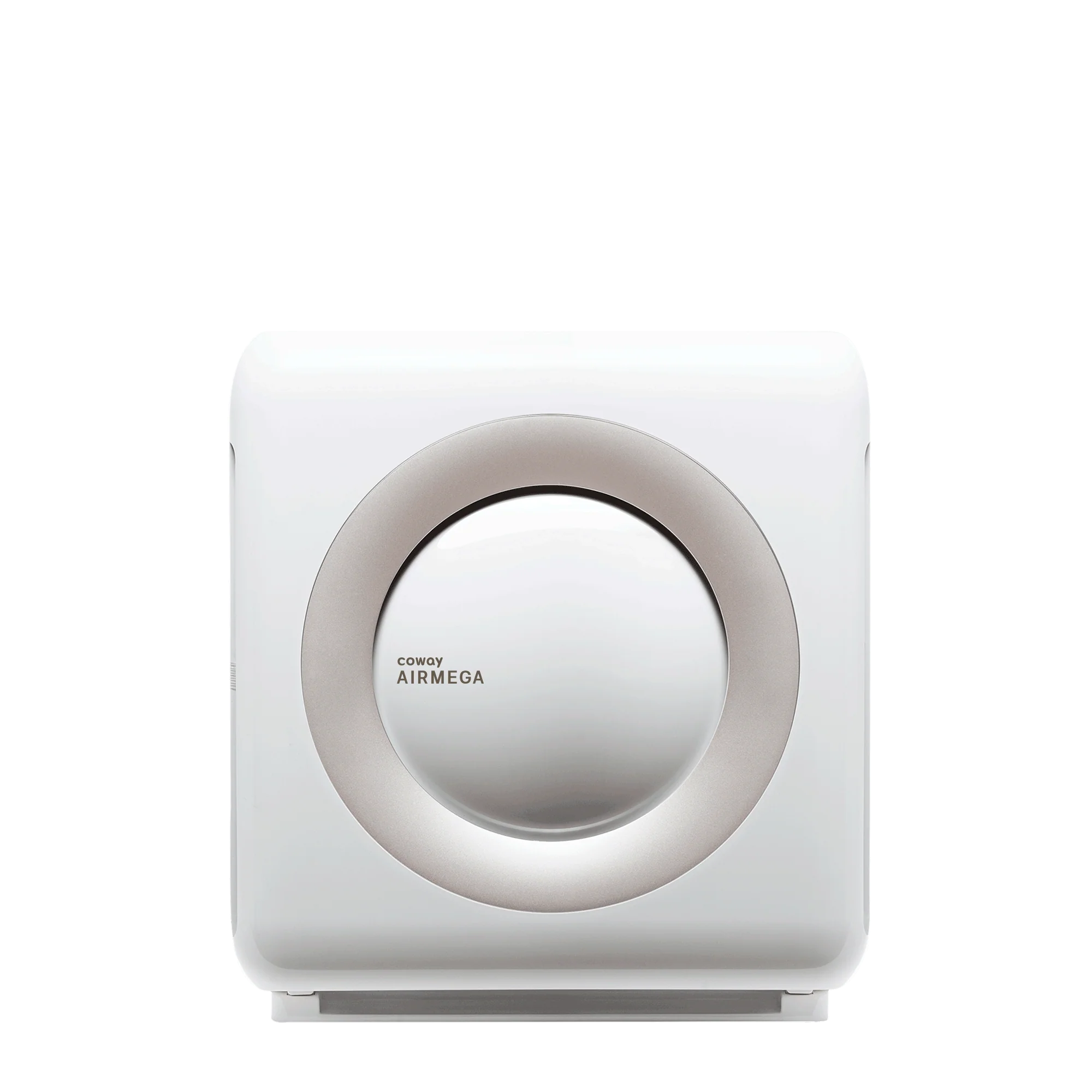
Key Specifications
- Room Coverage
- 361 sq ft
- CADR
- 233/246/240
- Filter
- True HEPA + Carbon + Pre-filter
- Noise
- 24 dB
- Power
- 77 watts
- Best For
- Medium rooms up to 361 sq ft. Wirecutter #1 for 10+ years. Best overall value.
📅 Prices checked . Amazon prices change frequently — click through for current price. Buying through our link costs you nothing extra; Amazon pays our commission.
What's in the Box
- Coway AP-1512HH air purifier
- Pre-installed 4-stage filter set
- Power cord
- User manual
- Filter replacement reminder sticker
Pros
- Wirecutter #1 for 10+ consecutive years
- AHAM verified CADR — no controversy
- True HEPA
- Fastest auto mode response in class
- 24dB ultra quiet sleep mode
- Eco mode at 4.9 watts
- 3-year warranty
Cons
- No WiFi or app control
- Carbon is impregnated fabric — weak on heavy odors
- Ionizer adds trace ozone (9ppb — CARB safe)
- Filter costs $60/year
- Design is dated
Best For
The Coway AP-1512HH is the correct CARB-certified, zero-ozone alternative to ozone generators for ongoing home air quality management. AHAM-verified CADR 246 delivers measurable particle reduction in rooms up to 360 sq ft. For anyone who has been using or considering an ozone machine for home air quality — pet odors, smoke, musty smells — the Coway with a carbon pre-filter addresses the odor component through adsorption, and the H13 HEPA layer captures the particles that carry odor compounds. No ozone. No respiratory risk. Continuous safe operation in occupied spaces. The carbon filter does need replacement on schedule — typically every 6–12 months for heavy odor environments.
📅 Price checked August 2026 · Buying through this link costs you nothing extra — Amazon covers our commission
Winix 5500-2 Review Best Value
✓ AHAM VerifiedOur Verdict
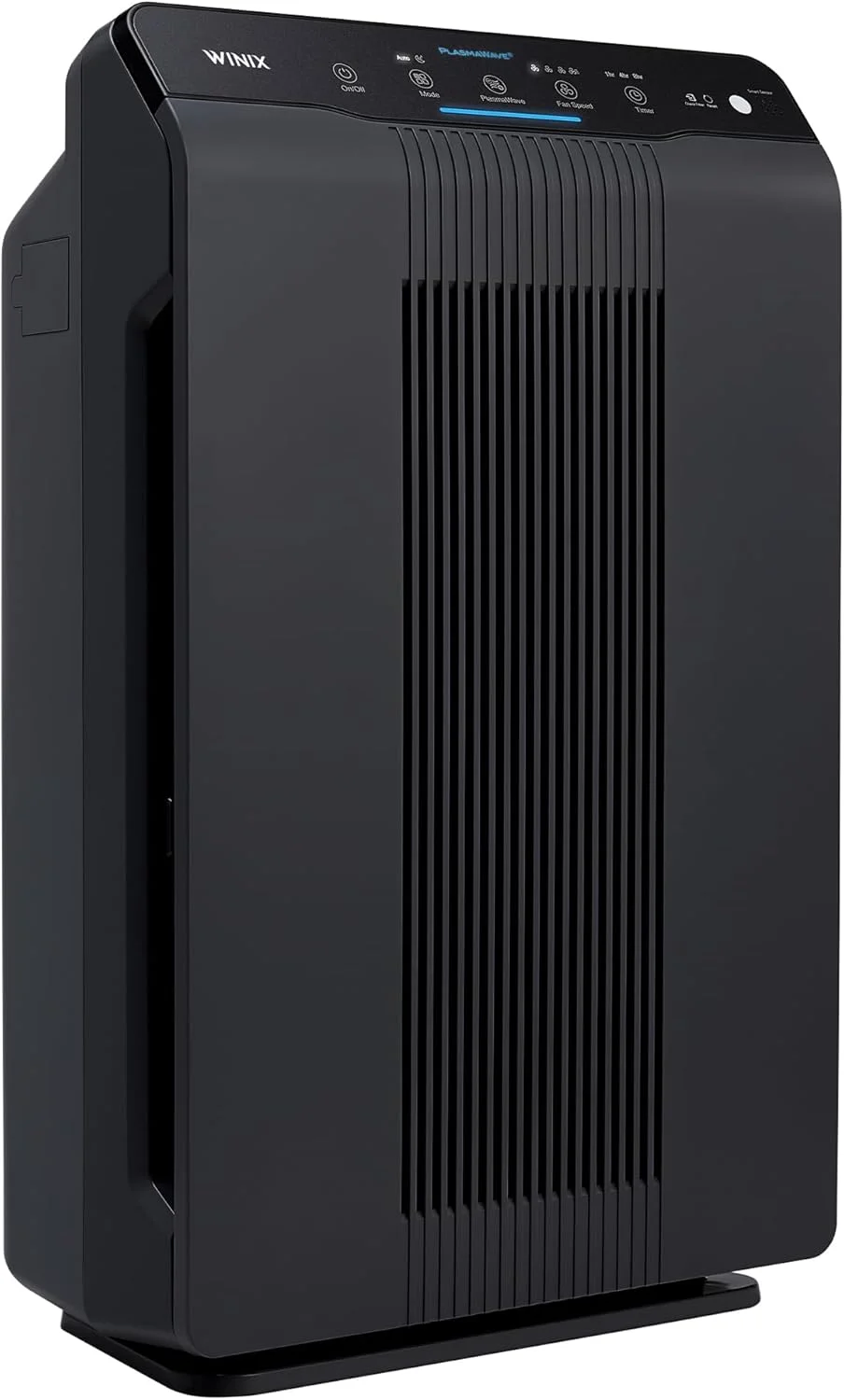
Key Specifications
- Room Coverage
- 360 sq ft
- CADR
- 232/243/246
- Filter
- True HEPA + PlasmaWave + Washable Carbon
- Noise
- 27 dB
- Power
- 67 watts
- Best For
- DISCONTINUED. Buy while stock lasts. Washable carbon is unique advantage.
📅 Prices checked . Amazon prices change frequently — click through for current price. Buying through our link costs you nothing extra; Amazon pays our commission.
What's in the Box
- Winix 5500-2 air purifier
- Pre-installed True HEPA + carbon filter
- Power cord
- Remote control
- User manual
Pros
- AHAM verified CADR
- PlasmaWave pellet carbon
- Washable carbon filter — unique
- HouseFresh tested 23 min room clean
Cons
- DISCONTINUED in US
- No WiFi
- Louder than 5510
- Larger footprint
Best For
The Winix 5500-2 is CARB-certified and includes a true activated carbon filter plus H13 HEPA for particle capture — the complete non-ozone alternative to an ozone machine for occupied homes. The PlasmaWave technology produces hydroxyl radicals for additional chemical compound reduction without producing ozone above CARB's 0.050 ppm threshold. For households with persistent odor sources (pet areas, cooking, tobacco residue) where someone has recommended an ozone generator, the 5500-2's combined HEPA and carbon filtration addresses the same goals safely. If you are specifically sensitive to ozone, note that PlasmaWave can be disabled independently of the HEPA/carbon filtration.
📅 Price checked August 2026 · Buying through this link costs you nothing extra — Amazon covers our commission
What to Know Before You Buy
How to Tell If a Product Is an Ozone Generator vs an Air Purifier
The marketing language used to sell ozone generators is often deliberately similar to air purifier marketing. Look for these indicators that a product is primarily an ozone generator: claims to "eliminate" odors rather than "reduce" them; use of terms like "activated oxygen" (a euphemism for ozone); no AHAM CADR rating; no CARB certification; marketing emphasis on killing bacteria and mold rather than filtering particles; warnings to leave the room during operation. Legitimate air purifiers have AHAM-verified CADR ratings, CARB certification confirming ozone below 0.050 ppm, and are designed for continuous occupied-space operation. If a product tells you to leave the room before using it, it is an ozone generator, not an air purifier.
What to Do If You Have Severe Odor Problems
If you have severe odors from fire damage, smoke remediation, or significant pet contamination that you believe require ozone treatment, the correct approach is professional ozone remediation in an unoccupied building — not a consumer ozone machine in an occupied home. Professional restoration companies have industrial ozone generators, protocols for safe ozone concentration management, and post-treatment airing procedures. After professional remediation, transition to a HEPA air purifier with activated carbon for ongoing odor management. Consumer ozone machines sold for home use rarely have the output for effective professional-grade remediation and simultaneously pose unnecessary health risks during normal home occupancy.
What About Ionizers and Air Purifiers That Produce Some Ozone?
Many air purifiers include ionizer modes that produce trace amounts of ozone as a byproduct of ion generation. This is different from an ozone generator designed to produce high ozone concentrations. CARB's Air Cleaner Regulation limits ozone output from air cleaners to 0.050 ppm — this applies to all air cleaners sold in California, and most major manufacturers comply nationally. At 0.050 ppm, ozone is below the level that causes adverse health effects in most individuals. Coway AP-1512HH and Winix 5500-2 are both CARB-certified and confirmed below this threshold. If you want to entirely eliminate any ozone concern, choose an air purifier with no ionizer mode, or one that allows the ionizer to be disabled independently. The Winix 5500-2's PlasmaWave can be turned off while the HEPA and carbon filtration continue operating normally.
What an Ozone Machine Does — The Chemistry of O3 Oxidation
Ozone (O3) is a molecule consisting of three oxygen atoms. It is inherently unstable — the third oxygen atom readily separates and oxidizes whatever it contacts. This oxidation reaction is what makes ozone effective at breaking down odor-causing organic compounds: the reactive oxygen atom attacks and fragments the chemical structure of compounds like mercaptans (sulfur-based odors), aldehydes, and other volatile organic compounds responsible for persistent smells.
Ozone generators produce O3 through two mechanisms:
- Corona discharge: An electrical discharge splits oxygen molecules (O2) into individual oxygen atoms, which then combine with other O2 molecules to form O3. Higher output models use this method. The same process occurs in lightning storms — the distinctive smell after lightning is partly ozone.
- UV-C light at 185 nm: A specific UV-C wavelength (185 nm) converts O2 to O3. Most air purifier UV-C stages use 254 nm wavelength (germicidal, not ozone-producing) — only 185 nm produces ozone.
At concentrations of 0.5–10 ppm, ozone rapidly oxidizes and neutralizes organic odor compounds. This is genuinely effective chemistry. The odors do not simply get masked — the chemical compounds that produce them are broken down into other molecules that are not odorous. For severe odors in unoccupied spaces — fire damage, catastrophic pet contamination, smoke remediation — high-concentration ozone treatment can eliminate odors that are otherwise impossible to remove by cleaning alone.
The same oxidation chemistry that destroys odor compounds also attacks lung tissue, mucous membranes, and the cellular structures of respiratory passages. Ozone is not selective about what organic material it oxidizes. At the concentrations effective for odor elimination, ozone attacks the biological tissues of any occupants in the space — including humans, pets, and plants.
EPA and CARB Warnings — Why Ozone Is Dangerous in Occupied Spaces
The EPA's position on ozone generators is unambiguous. In the document "Ozone Generators Sold as Air Purifiers" (available at epa.gov/indoor-air-quality-iaq), the EPA states: "Ozone can cause health problems at high concentrations. Relatively low amounts can cause chest pain, coughing, shortness of breath, and throat irritation. Ozone may also worsen chronic respiratory diseases such as asthma and compromise the ability of the body to fight respiratory infections."
The EPA also addresses the marketing claim that ozone "cleans" air: "Available scientific evidence shows that at concentrations that do not exceed public health standards, ozone is generally ineffective in controlling indoor air pollution." This is the key insight: at concentrations safe for occupied spaces (below 0.070 ppm), ozone does not effectively eliminate odors or pathogens. At concentrations effective for odor treatment (0.5–10 ppm), ozone is harmful to occupants. There is no safe, effective middle ground for occupied-space ozone treatment.
The California Air Resources Board (CARB) regulates air cleaners sold in California under the Airborne Toxic Control Measure (ATCM) for Consumer Products. CARB prohibits the sale of any air cleaner that produces ozone above 0.050 ppm. The CARB Air Cleaner Directory lists products that have been tested and certified below this threshold. CARB certification is the most reliable consumer signal that a product is safe for occupied-space use. Products marketed as "ozone generators" or "activated oxygen purifiers" are not CARB-certified air cleaners — they are specifically exempt from the air cleaner category because their purpose is ozone generation, not particle filtration.
Health effects of ozone exposure by concentration:
- 0.050 ppm: CARB limit for air cleaners; considered acceptable for occupied spaces for most people
- 0.070 ppm (8-hour average): EPA outdoor air quality standard; above this level, ozone poses health risks during extended exposure
- 0.1–0.3 ppm: Causes throat irritation, coughing, chest tightness in most people; significant risk for asthma sufferers
- 0.5 ppm+: Concentrations effective for odor treatment; causes respiratory damage with exposure, dangerous for children and those with lung disease
- 1–10 ppm: Professional remediation concentrations; immediately dangerous to life in prolonged exposure; require complete building evacuation
Legitimate Uses of Ozone Generators — Fire and Smoke Remediation in Unoccupied Buildings
Ozone generators have legitimate, effective uses in professional restoration work — specifically for odor elimination in empty buildings. Understanding what qualifies as legitimate ozone use clarifies why consumer ozone machines for occupied homes fall outside this category.
Professional fire damage restoration: After a structure fire, smoke odor compounds penetrate into walls, subfloor, HVAC ducts, and building materials at a molecular level. Cleaning and painting alone does not eliminate embedded smoke odors. Professional restoration companies use industrial ozone generators in empty, sealed buildings to achieve ozone concentrations of 1–10 ppm throughout the structure — sufficient to oxidize embedded smoke compounds in porous materials. The building is evacuated for 24–72 hours, then aired out for an additional 24–48 hours before re-entry. The ozone concentration must return to ambient levels (under 0.1 ppm) before occupants can safely return.
Flood and water damage remediation: Severe water damage creates conditions for rapid mold growth with associated musty odors. After physical mold remediation and drying, professional ozone treatment can eliminate residual odors in unoccupied spaces. Same protocol: evacuation, high-concentration treatment, extended airing before re-entry.
Vehicle odor remediation: Ozone generators are widely used by auto detailers and restoration professionals to eliminate smoke, pet, and mold odors from vehicle interiors. The small enclosed space allows effective treatment at manageable ozone concentrations. The vehicle is sealed during treatment and aired out thoroughly before returning to use. This is a legitimate ozone use — the vehicle is empty during treatment.
What separates legitimate from illegitimate ozone use: The common thread in all legitimate ozone applications is that the treated space is completely unoccupied during treatment, high-concentration ozone is used at professionally managed levels, and there is a verified airing-out protocol before re-occupancy. Consumer ozone machines in occupied homes — running continuously at lower concentrations — do not follow this protocol. They produce ozone in the presence of occupants at concentrations that, while lower than professional equipment, are above safe exposure levels for continuous use.
HEPA Air Purifiers vs Ozone Machines — Why HEPA Is the Correct Choice for Ongoing Home Use
For any ongoing air quality management in an occupied home — allergen reduction, odor control, smoke reduction, mold spore capture — a HEPA air purifier with activated carbon is the correct tool. The comparison with ozone machines is straightforward:
Particle removal: HEPA air purifiers capture airborne particles — pollen, dust, mold spores, pet dander, PM2.5, smoke particles — at 99.97% efficiency at 0.3 microns. This is the primary benefit for allergy and respiratory health. Ozone generators do not capture particles. An ozone machine in a room full of airborne pollen does not remove pollen from the air — it produces ozone that may irritate respiratory passages further alongside the pollen exposure.
Odor control: A good HEPA air purifier includes an activated carbon filter. Activated carbon adsorbs odor-causing VOCs through chemical adsorption — binding the odor molecules to the carbon surface without oxidation chemistry. This is effective for ongoing pet odors, cooking smells, and general indoor VOCs. It is not as dramatically effective as high-concentration ozone for severe, embedded odors (like fire damage) — but it is safe for continuous occupied-space use. For ongoing home odor management, a thick activated carbon filter running continuously outperforms intermittent ozone treatment in terms of cumulative odor reduction without health risk.
Safety for continuous operation: HEPA air purifiers are designed for continuous 24/7 operation in occupied spaces. CARB-certified models emit no measurable ozone above background levels. They can run while you sleep, while children play nearby, while pets occupy the room — no health risk from the device operation itself. Ozone machines cannot be operated safely in occupied spaces at any concentration effective for odor treatment.
The ionizer distinction: Some air purifiers include ionizer modes that produce trace ozone as a byproduct. CARB certification confirms these are below 0.050 ppm — safe for occupied use. This is categorically different from an ozone generator. If you want zero ozone from any source, look for air purifiers with no ionizer, or with an ionizer that can be disabled. For specific recommendations on CARB-certified air purifiers, see our best air purifier guide and ozone-free air purifier guide.