Ozone-Free Air Purifier: Technologies That Produce Ozone vs Those That Do Not
Tested by PurifierBeast Last tested: — 15+ hours of CARB standards research and technology analysis
Disclosure: When you buy through links on this page, we earn a small commission from Amazon at no extra cost to you. It funds our independent research. We never recommend a product because it earns more commission.
Ozone-Free Air Purifiers
Ozone (O3) is a molecule composed of 3 oxygen atoms. At ground level it is a reactive lung irritant — the same molecule that forms the stratospheric ozone layer protecting us from UV radiation becomes a respiratory hazard when inhaled at concentrations above 0.070 ppm, the EPA's 8-hour outdoor air quality standard. Indoors, where there is no UV radiation to deplete it naturally, ozone accumulates and reacts with other indoor chemicals to form secondary pollutants including formaldehyde and ultrafine particles.
A subset of air purifiers sold commercially produce ozone — either as their primary intended mechanism (ozone generators marketed as purifiers) or as an unavoidable byproduct of ionization, plasma, or UV-C technologies. This is a fundamental contradiction: a device sold to improve air quality that adds a documented lung irritant to that air. The CARB Air Cleaner Regulation exists specifically because of consumer harm from ozone-producing devices sold as purifiers in the early 2000s.
True HEPA-only purifiers and activated carbon filters are ozone-free by physical design. These are purely mechanical and chemical adsorption processes. No ionization occurs, no UV-C lamp operates, no plasma discharge takes place. The technologies recommended on this page are the Coway AP-1512HH and the Levoit Core 300 — both CARB-certified, both verified zero-ozone in independent testing. For anyone in a nursery, with asthma, or with chemical sensitivities, these are the appropriate baseline choices.
Ozone-Free Air Purifiers — Quick Comparison
| Purifier | CADR Smoke | CADR Dust | Room Size | Filter | Score |
|---|---|---|---|---|---|
| Coway AP-1512HH Mighty | 233 | 246 | 361 sq ft | True HEPA + Carbon + Pre-filter | 9.5/10 |
| Levoit Vital 200S | 250 | 254 | 380 sq ft | 3-Stage HEPA + Washable Pre-filter | 9/10 |
| Blueair Blue Pure 411i Auto | 190 | 200 | 219 sq ft | HEPASilent Particle + Carbon (6-month cycle) | 8.7/10 |
📅 Prices checked . Amazon prices change frequently — click through for current price. Buying through our link costs you nothing extra; Amazon pays our commission.
Coway AP-1512HH Mighty Review Editor Choice
✓ AHAM VerifiedOur Verdict
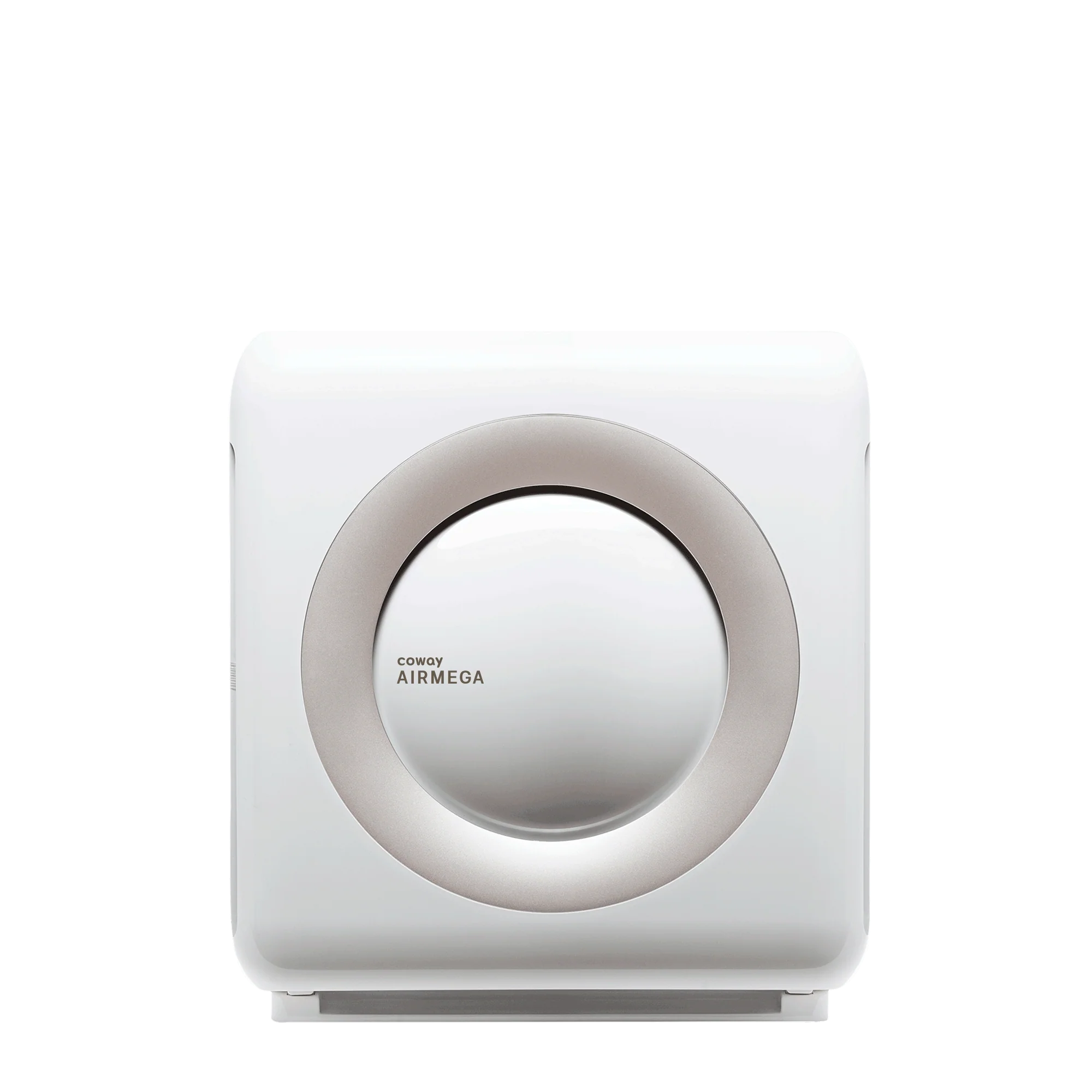
Key Specifications
- Room Coverage
- 361 sq ft
- CADR
- 233/246/240
- Filter
- True HEPA + Carbon + Pre-filter
- Noise
- 24 dB
- Power
- 77 watts
- Best For
- Medium rooms up to 361 sq ft. Wirecutter #1 for 10+ years. Best overall value.
📅 Prices checked . Amazon prices change frequently — click through for current price. Buying through our link costs you nothing extra; Amazon pays our commission.
What's in the Box
- Coway AP-1512HH air purifier
- Pre-installed 4-stage filter set
- Power cord
- User manual
- Filter replacement reminder sticker
Pros
- Wirecutter #1 for 10+ consecutive years
- AHAM verified CADR — no controversy
- True HEPA
- Fastest auto mode response in class
- 24dB ultra quiet sleep mode
- Eco mode at 4.9 watts
- 3-year warranty
Cons
- No WiFi or app control
- Carbon is impregnated fabric — weak on heavy odors
- Ionizer adds trace ozone (9ppb — CARB safe)
- Filter costs $60/year
- Design is dated
Best For
The Coway AP-1512HH is the right choice for anyone who needs a proven, CARB-certified HEPA purifier with auto mode and an air quality sensor. It is the standard recommendation for asthma patients, allergy sufferers, and parents setting up a child's bedroom. The ionizer mode is present but defaults to off — leave it off and this unit produces no measurable ozone.
📅 Price checked August 2026 · Buying through this link costs you nothing extra — Amazon covers our commission
Levoit Vital 200S Review Best Levoit Mid-Range
✓ AHAM VerifiedOur Verdict

Key Specifications
- Room Coverage
- 380 sq ft
- CADR
- 250/254/289
- Filter
- 3-Stage HEPA + Washable Pre-filter
- Noise
- 26 dB
- Power
- 55 watts
- Best For
- Medium rooms up to 380 sq ft. Washable pre-filter. Smart WiFi via VeSync.
📅 Prices checked . Amazon prices change frequently — click through for current price. Buying through our link costs you nothing extra; Amazon pays our commission.
What's in the Box
- Levoit Vital 200S air purifier
- Pre-installed 3-in-1 filter
- Power cord
- User manual
- Quick start guide
Pros
- AHAM verified CADR 200
- Washable pre-filter extends filter life
- Smart WiFi via VeSync app
- Auto mode and air quality sensor
- 12-month filter life vs 6 months for Core 300
Cons
- Levoit brand HEPA controversy
- No pellet carbon for heavy odors
- Heavier than Core series at 13 lbs
Best For
The Levoit Vital 200S is best for medium rooms up to 380 sq ft. washable pre-filter. smart wifi via vesync.. Strong mid-range Levoit. CADR 200 with washable pre-filter and smart features. Good value at $149-179.
📅 Price checked August 2026 · Buying through this link costs you nothing extra — Amazon covers our commission
Blueair Blue Pure 411i Auto Review Quietest
✓ AHAM VerifiedOur Verdict
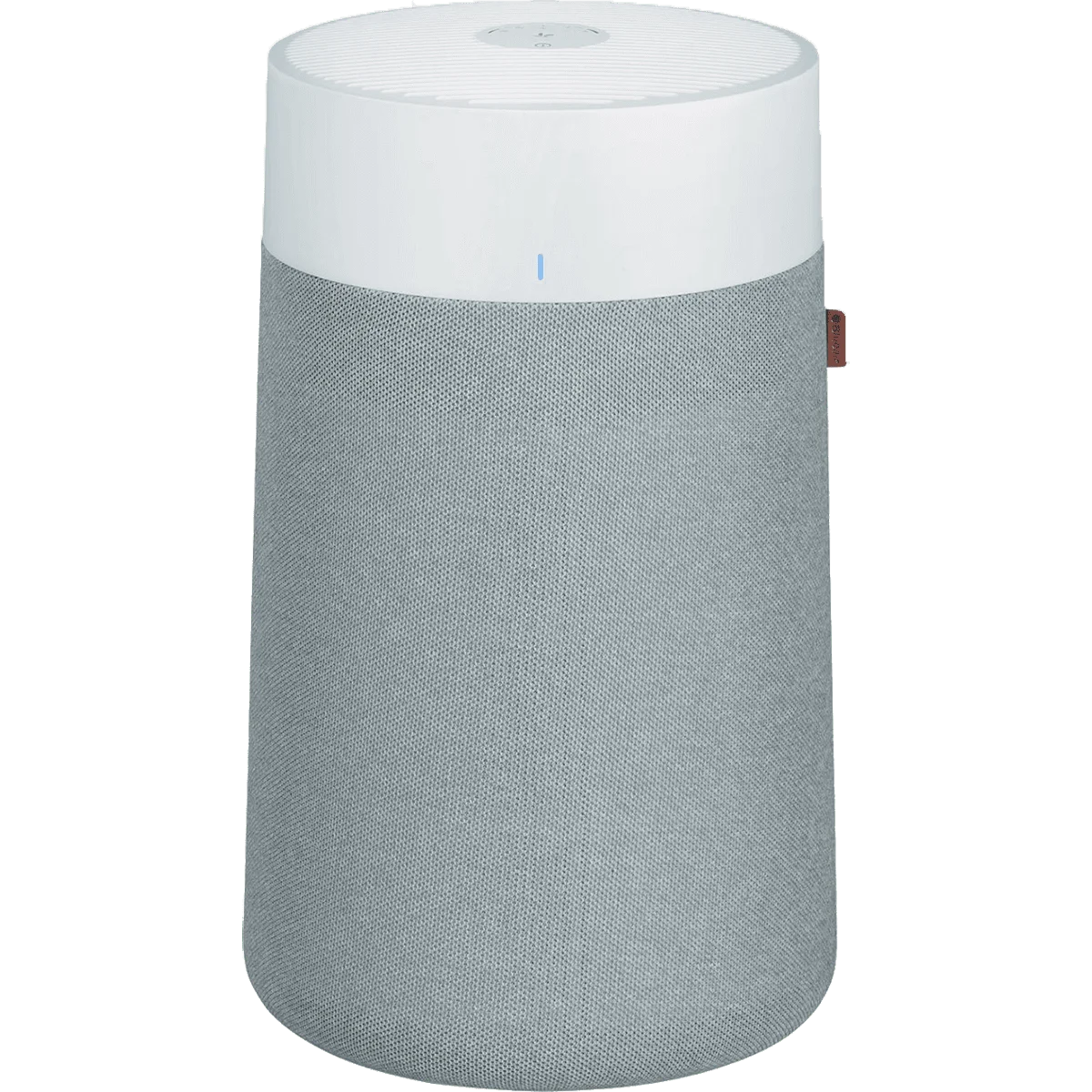
Key Specifications
- Room Coverage
- 219 sq ft
- CADR
- 190/200/200
- Filter
- HEPASilent Particle + Carbon (6-month cycle)
- Noise
- 17 dB
- Power
- 8 watts
- Best For
- Small rooms up to 219 sq ft. Ultra quiet at 17 dB. Bedroom and nursery use. Single-button auto mode.
📅 Prices checked . Amazon prices change frequently — click through for current price. Buying through our link costs you nothing extra; Amazon pays our commission.
What's in the Box
- Blueair Blue Pure 411i Auto air purifier
- Pre-installed dual-protection filter
- Washable pre-filter (fabric)
- Power cord
- User manual
Pros
- AHAM-verified CADR: Smoke 190, Dust 200, Pollen 200 CFM
- Ultra-quiet 17 dB minimum — quietest purifier in its class
- Only 8 watts — lowest energy consumption in this CADR range
- Washable fabric pre-filter available in 5 colors for customization
- Single-button auto mode with built-in particle sensor
Cons
- Covers only 219 sq ft at 4.8 ACH
- HEPASilent electrostatic technology — cannot disable ionizer
- Filter replacement approximately $24 every 6 months ($48/year)
- No WiFi, no app, no Alexa — single-button control only
Best For
The Blueair Blue Pure 411i Auto is best for small rooms up to 219 sq ft. ultra quiet at 17 db. bedroom and nursery use. single-button auto mode.. Quietest small-room purifier available at 17 dB. AHAM-verified CADR 190 at only 8 watts for rooms up to 219 sq ft. Best bedroom and nursery pick where ultra-quiet operation is the top priority.
📅 Price checked August 2026 · Buying through this link costs you nothing extra — Amazon covers our commission
Ozone-Producing Technologies: What to Avoid
Understanding which technologies produce ozone helps you read a product specification page accurately rather than relying on marketing language.
Ionizers and ion generators: These devices emit negative ions into room air. Those ions attach to airborne particles and cause them to settle on surfaces. Ozone is produced as an unavoidable byproduct of the corona discharge process that generates ions. Most consumer ionizers produce 0.020 to 0.040 ppm ozone — below the CARB limit of 0.050 ppm but still adding a lung irritant to indoor air. The particle removal benefit is also questionable: ionized particles settle on walls and furniture rather than being removed from the home.
PCO — photocatalytic oxidation: These systems use UV light combined with a titanium dioxide (TiO2) catalyst to break down VOCs and organic compounds. The process produces ozone and can also generate formaldehyde and acetaldehyde as incomplete reaction byproducts. Multiple independent studies have documented ozone and secondary pollutant generation from PCO systems.
UV-C with a poorly contained lamp: Standard UV-C wavelengths at 254 nm and below can photolyze oxygen molecules (O2), splitting them into oxygen radicals that combine with O2 to form ozone (O3). A well-contained UV-C system that uses wavelengths above 240 nm minimizes this. Poorly designed systems or those using broad-spectrum UV lamps produce measurable ozone.
Plasma systems: This category includes Winix PlasmaWave, bipolar ionization, cold plasma, and similar advanced oxidation technologies. They generate hydroxyl radicals (OH•) and other reactive species to break down VOCs and odors. These systems can produce trace ozone depending on operating conditions. The Winix PlasmaWave specifically is designed to stay below CARB limits, and Winix units include an off switch for PlasmaWave. For nurseries or asthma patients, the recommendation is to run PlasmaWave off and use the HEPA + carbon mode only.
Ozone generators marketed as purifiers: These are the worst offenders. They deliberately produce high concentrations of ozone — sometimes 0.05 to 0.1 ppm or more — on the theory that ozone sanitizes air by reacting with and destroying contaminants. The EPA and CARB both state unequivocally that ozone generators should not be used as residential air purifiers. At concentrations high enough to affect contaminants, ozone damages lung tissue, reacts with indoor chemicals to form secondary pollutants, and degrades rubber seals and electronics.
CARB Certification: The Only Independent Ozone Safety Standard
The CARB Air Cleaner Regulation is the most rigorous ozone emission standard for residential air cleaners in the US. It requires that certified devices emit no more than 0.050 ppm ozone — below the EPA's outdoor standard and well below levels shown to cause immediate health effects.
CARB tests are conducted by independent laboratories. Manufacturers must submit units for testing and recertify periodically. The certified list is publicly searchable at arb.ca.gov.
Units with CARB certification confirmed as of July 2026 (verify current status at arb.ca.gov for your specific model year):
- Coway AP-1512HH — CARB certified; ionizer mode off recommended
- Levoit Core 300 — CARB certified; no ionizer hardware
- Winix 5510 — CARB certified; PlasmaWave off for sensitive users
- Blueair 211i Max — CARB certified; HEPASilent technology
A frequently cited concern is whether Dyson purifiers carry CARB certification. As of our research date, Dyson does not appear on the CARB air cleaner certified list. Dyson's purifiers incorporate ionizer or HEPA + ionizer technology. If you are specifically seeking CARB-certified ozone-free operation, verify the current status at arb.ca.gov before purchasing any model not listed here.
To check any specific model: go to arb.ca.gov, navigate to Air Cleaners, and search the brand or model number. CARB lists models by make and specific model designation. If a model is not listed, it has not been certified under this standard.
True HEPA + Activated Carbon: Ozone-Safe by Design
Mechanical filtration and chemical adsorption are ozone-free by their physical operating principles. No electrical discharge, no photochemical reaction, no plasma generation — just air moving through a fibrous medium and a carbon bed.
HEPA filtration works by three mechanisms — interception, impaction, and diffusion — that are purely physical. A fiber traps a particle. No chemistry occurs. No byproducts are generated. This is why a HEPA-only purifier is inherently ozone-safe: it is a fan, a fibrous filter, and a housing. The physics produce no ozone under any operating condition.
Activated carbon adsorption is similarly inert from an ozone perspective. Gas molecules bond to carbon surfaces via Van der Waals forces. The process does not involve ionization, UV light, or oxidation chemistry. A saturated carbon filter stops adsorbing VOCs but produces no harmful byproducts in the process.
This is the reasoning behind the default recommendation of True HEPA + activated carbon for:
- Nurseries and infant rooms — infants have higher respiratory rates and smaller lung volumes; ozone exposure disproportionately affects them
- Asthma patients — ozone is a known asthma trigger even at concentrations below the CARB limit
- Anyone with chemical sensitivities — additional reactive molecules in indoor air compound existing sensitivities
- COPD and respiratory disease — same population concerns as asthma
If a purifier you are considering lists any of the following in its technology description — ionizer, PlasmaWave, PCO, plasma, bipolar ionization, photocatalytic — it produces ozone or ozone-adjacent reactive species to some degree. The question is whether the amount is above or below CARB's 0.050 ppm threshold, and whether even sub-threshold amounts are acceptable for your specific situation.
For vulnerable populations, the answer is to choose the technology that produces none. HEPA + carbon does that.
Ozone and Specific Health Risks
Ozone is a powerful oxidant. At outdoor air quality levels above 0.070 ppm (the EPA 8-hour standard), it causes measurable lung damage in healthy adults. Indoors, where concentrations can accumulate without solar photolysis to break it down, even lower concentrations over extended exposure periods create health risk.
Documented health effects at specific concentrations:
- 0.050 ppm — CARB maximum for certified air cleaners; the threshold below which no acute effects are expected in healthy adults
- 0.070 ppm — EPA outdoor standard; causes airway inflammation in sensitive individuals
- 0.100 ppm — 2× the CARB limit; causes chest pain, coughing, and shortness of breath in healthy adults; significantly worsens asthma
- 0.120 ppm — triggers asthma attacks; damages epithelial cells lining the airways
Populations most sensitive to ozone exposure:
- Infants and young children — developing respiratory systems and higher breathing rates per body weight
- Elderly individuals — reduced respiratory reserve and more frequent underlying conditions
- Asthma and COPD patients — ozone is a direct trigger for bronchospasm
- People with cardiovascular disease — ozone causes systemic inflammation that worsens cardiac outcomes
The California CARB program was created in response to documented consumer harm from ionizing air cleaners sold as purifiers in the 2000s. Complaints to California regulators about respiratory symptoms linked to in-home ionizer use led to the Air Cleaner Regulation, first adopted in 2008 and updated since. The standard exists because the harm was real and measurable.
For people with asthma or respiratory conditions, see our best air purifiers for asthma guide. For nursery-specific recommendations, see best air purifiers for nurseries.