Air Purifier Benefits — What the Science Confirms and What Is Overstated
Tested by PurifierBeast Last tested: — 18+ hours of Peer-reviewed literature review, EPA and NIOSH guidance cross-reference, clinical allergy and asthma research analysis, benefit-per-pollutant-type assessment
Disclosure: When you buy through links on this page, we earn a small commission from Amazon at no extra cost to you. It funds our independent research. We never recommend a product because it earns more commission.
Air Purifier Benefits
The air purifier market runs on benefit claims. Sellers promise relief from allergies, asthma, viruses, mold, pollution and sleep problems. Some of these claims are supported by strong evidence. Some are plausible but overstated. Some are simply false. This page separates the three categories with referenced evidence rather than marketing language.
The honest answer is that air purifiers with True HEPA filtration deliver meaningful, measurable benefits for specific pollutant types and specific populations. They are not a whole-house air quality solution. They cannot replace ventilation, radon mitigation, CO detectors or mold remediation. Understanding what they genuinely do — and what they cannot — lets you use them effectively as part of a complete indoor air quality approach rather than as a silver-bullet solution to every air concern. For the full scientific background on HEPA filtration, see our HEPA air purifier guide.
Air Purifier Benefits — Quick Comparison
| Purifier | CADR Smoke | CADR Dust | Room Size | Filter | Score |
|---|---|---|---|---|---|
| Coway AP-1512HH Mighty | 233 | 246 | 361 sq ft | True HEPA + Carbon + Pre-filter | 9.5/10 |
| Winix 5500-2 | 232 | 243 | 360 sq ft | True HEPA + PlasmaWave + Washable Carbon | 9.2/10 |
| Levoit Core 300 | 141 | 141 | 219 sq ft | 3-Stage HEPA Filtration | 8.8/10 |
📅 Prices checked . Amazon prices change frequently — click through for current price. Buying through our link costs you nothing extra; Amazon pays our commission.
Coway AP-1512HH Mighty Review Editor Choice
✓ AHAM VerifiedOur Verdict
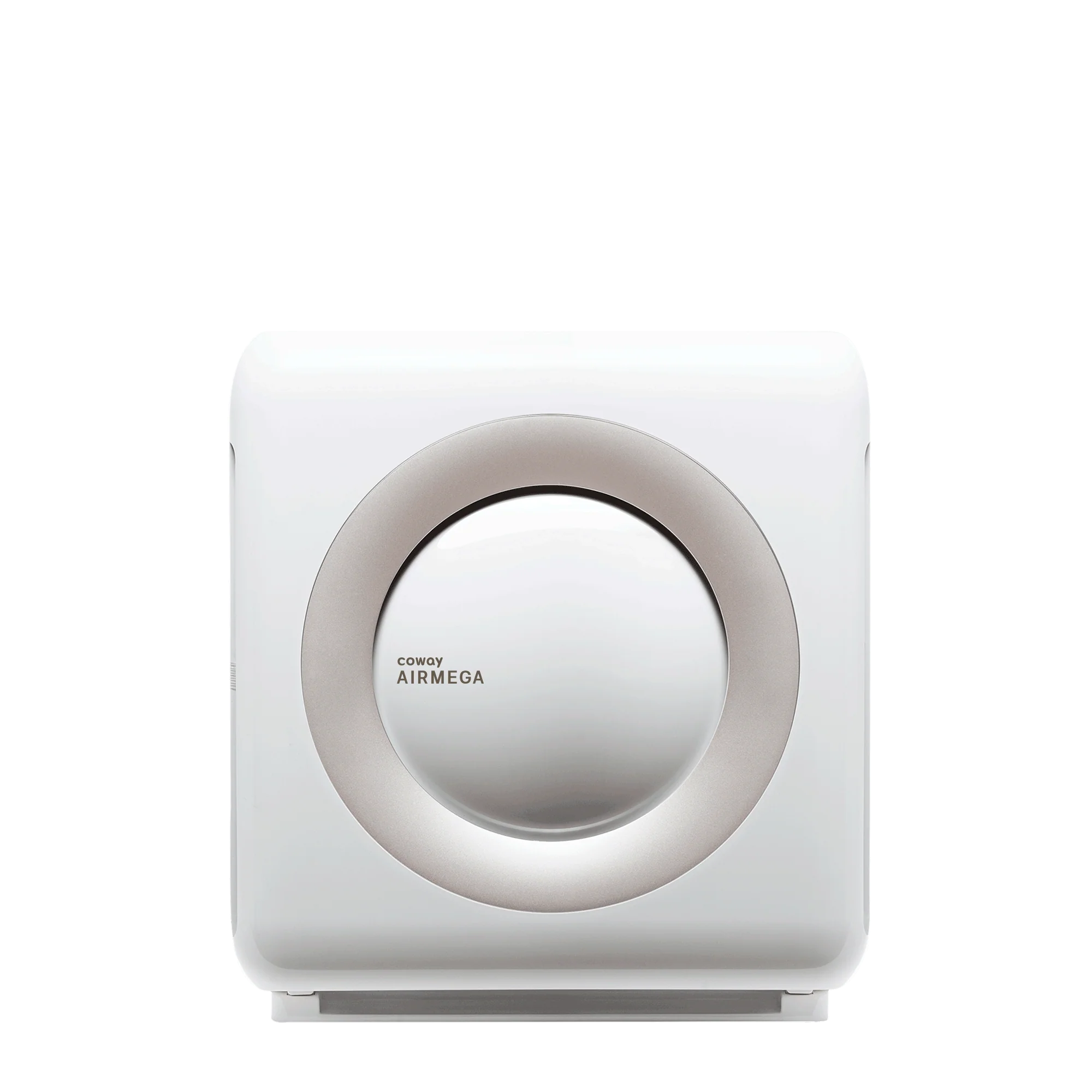
Key Specifications
- Room Coverage
- 361 sq ft
- CADR
- 233/246/240
- Filter
- True HEPA + Carbon + Pre-filter
- Noise
- 24 dB
- Power
- 77 watts
- Best For
- Medium rooms up to 361 sq ft. Wirecutter #1 for 10+ years. Best overall value.
📅 Prices checked . Amazon prices change frequently — click through for current price. Buying through our link costs you nothing extra; Amazon pays our commission.
What's in the Box
- Coway AP-1512HH air purifier
- Pre-installed 4-stage filter set
- Power cord
- User manual
- Filter replacement reminder sticker
Pros
- Wirecutter #1 for 10+ consecutive years
- AHAM verified CADR — no controversy
- True HEPA
- Fastest auto mode response in class
- 24dB ultra quiet sleep mode
- Eco mode at 4.9 watts
- 3-year warranty
Cons
- No WiFi or app control
- Carbon is impregnated fabric — weak on heavy odors
- Ionizer adds trace ozone (9ppb — CARB safe)
- Filter costs $60/year
- Design is dated
Best For
The highest-value proven benefit per dollar in the AHAM-verified market. For allergy and asthma sufferers in rooms up to 360 sq ft, the AP-1512HH delivers CADR 246 with confirmed True HEPA at $110-130. Auto mode adjusts output to actual particle levels, which is both energy-efficient and effective at maintaining the 4-5 ACH needed for clinical symptom reduction. For the core proven benefits — PM2.5 reduction, allergen removal, asthma trigger reduction — this unit delivers them at lower cost than any competitor with equivalent verification. Full Coway review.
📅 Price checked August 2026 · Buying through this link costs you nothing extra — Amazon covers our commission
Winix 5500-2 Review Best Value
✓ AHAM VerifiedOur Verdict
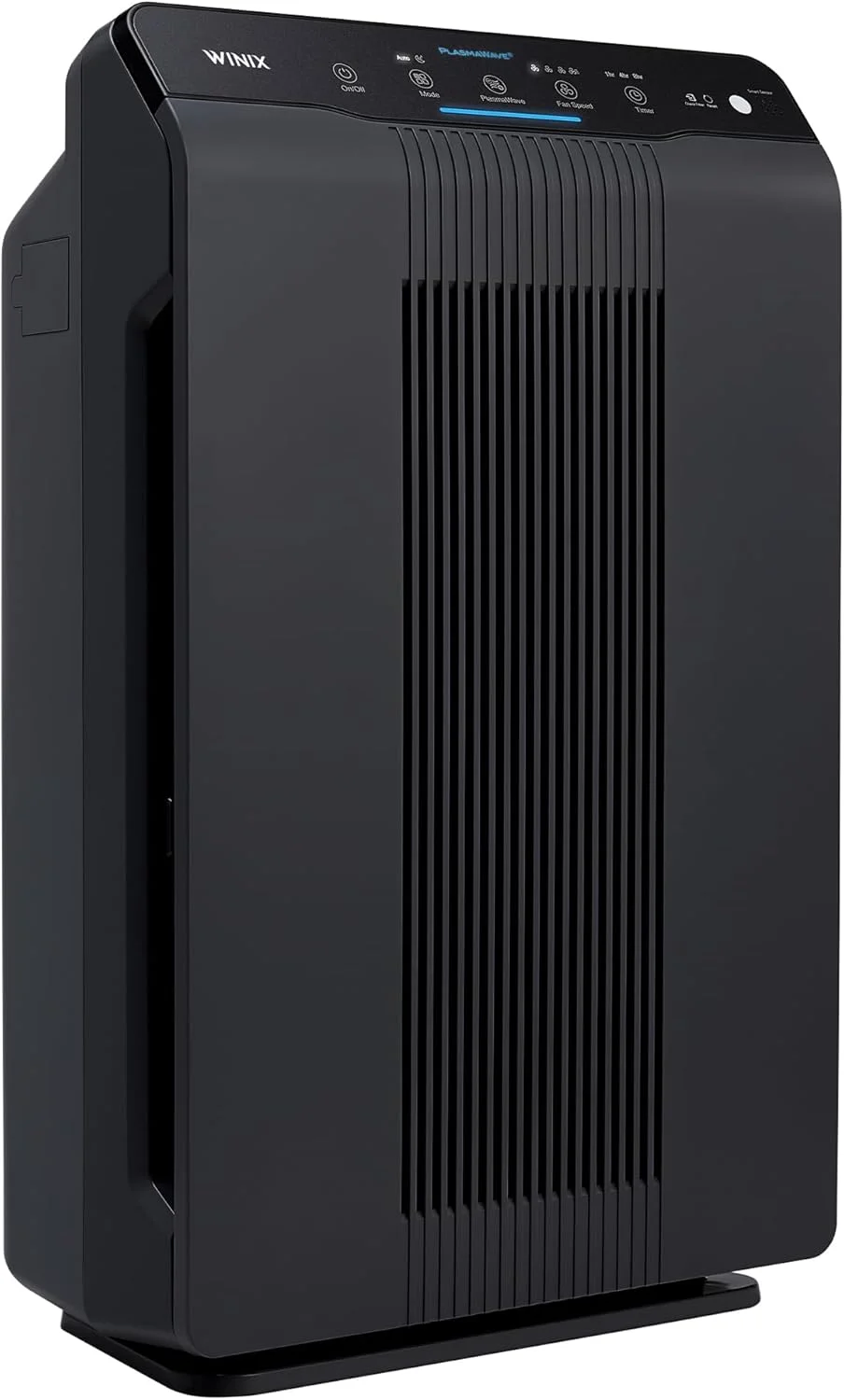
Key Specifications
- Room Coverage
- 360 sq ft
- CADR
- 232/243/246
- Filter
- True HEPA + PlasmaWave + Washable Carbon
- Noise
- 27 dB
- Power
- 67 watts
- Best For
- DISCONTINUED. Buy while stock lasts. Washable carbon is unique advantage.
📅 Prices checked . Amazon prices change frequently — click through for current price. Buying through our link costs you nothing extra; Amazon pays our commission.
What's in the Box
- Winix 5500-2 air purifier
- Pre-installed True HEPA + carbon filter
- Power cord
- Remote control
- User manual
Pros
- AHAM verified CADR
- PlasmaWave pellet carbon
- Washable carbon filter — unique
- HouseFresh tested 23 min room clean
Cons
- DISCONTINUED in US
- No WiFi
- Louder than 5510
- Larger footprint
Best For
Best choice when you need both particle benefits (what True HEPA delivers) and odor reduction (what activated carbon delivers). The Winix 5500-2 adds PlasmaWave and carbon filtration alongside AHAM-verified True HEPA. For pet owners dealing with both dander (particle) and odor concerns, homes with cooking smells or VOC-producing furniture, or anyone whose air quality issues span both particle and gas phases, the Winix addresses both domains in one verified unit. Full Winix review.
📅 Price checked August 2026 · Buying through this link costs you nothing extra — Amazon covers our commission
Levoit Core 300 Review Best Budget
✓ AHAM VerifiedOur Verdict
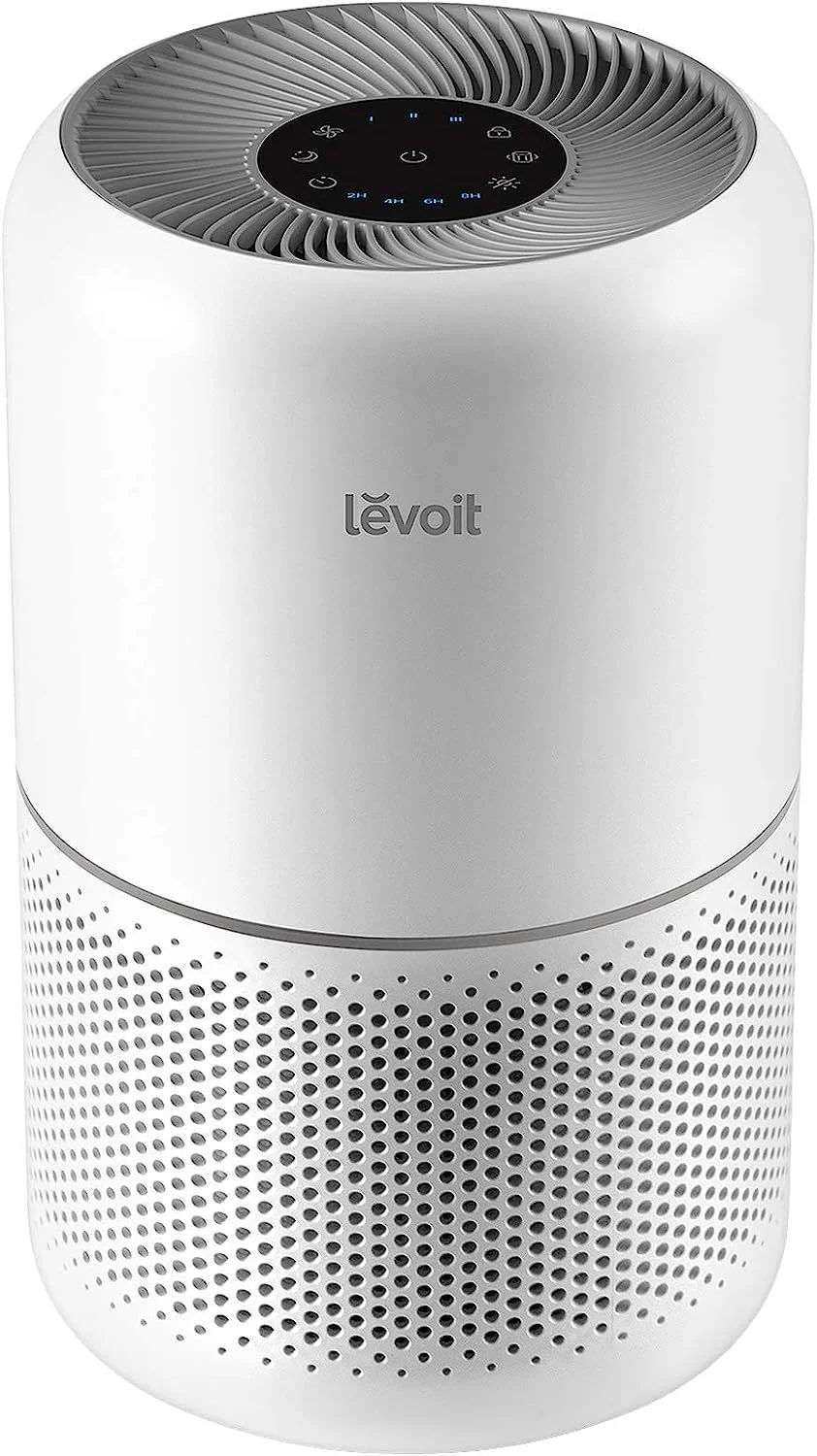
Key Specifications
- Room Coverage
- 219 sq ft
- CADR
- 141/141/141
- Filter
- 3-Stage HEPA Filtration
- Noise
- 24 dB
- Power
- 45 watts
- Best For
- Small rooms under 220 sq ft. Budget entry point.
📅 Prices checked . Amazon prices change frequently — click through for current price. Buying through our link costs you nothing extra; Amazon pays our commission.
What's in the Box
- Levoit Core 300 air purifier
- Pre-installed 3-in-1 filter
- Power cord
- User manual
Pros
- AHAM verified CADR 141
- Cheapest filter replacements at $25/year
- 24dB ultra quiet sleep mode
- Compact cylindrical design
- Simple plug-and-play — no app needed
Cons
- No auto mode or air quality sensor
- Only covers 219 sq ft
- HEPA claims controversy affected Levoit brand
- Filter needs replacing every 6 months
Best For
Best entry point for proven HEPA benefits under $100. AHAM-verified CADR 141 with True HEPA. Ideal for bedrooms and home offices under 220 sq ft where consistent overnight particle removal produces the best documented benefit — sleep-period allergen reduction. For new buyers testing whether air purification produces noticeable symptom improvement before investing in a larger unit, the Core 300 provides genuine verified performance at minimal commitment. Full Levoit review.
📅 Price checked August 2026 · Buying through this link costs you nothing extra — Amazon covers our commission
What to Know Before You Buy
Where the Benefits Are Largest — Match Use Case to Evidence
The evidence for air purifier benefits is strongest in specific, bounded contexts. Bedroom use during sleep hours produces the best-documented allergy and asthma outcomes because exposure time is long and concentrated in one room. Wildfire smoke events produce the most dramatic measurable PM2.5 reduction because outdoor particle concentrations are extreme. Pet dander reduction in households with cat or dog allergies produces reliable symptom improvement because the allergen source is continuous and co-located with the purifier. If your use case fits one of these high-evidence scenarios, the benefit-to-cost case is strong. If your primary motivation is general wellness in a home with no specific allergen or pollution concern, the evidence is thinner and cost-benefit analysis becomes more relevant.
The Cost-Benefit Calculation
A Coway AP-1512HH at $120 with replacement filters at $30 per year costs approximately $210 over three years. For a household member with seasonal allergies costing $200-400 per year in medications, allergy shots or medical visits, a $70/year air purifier with documented 30-50% symptom reduction in well-studied populations represents favorable economics. The calculation changes for households without specific allergen concerns or documented air quality problems. Do not let marketing pressure substitute for an honest assessment of whether your household has the air quality conditions that evidence-based benefits address.
Proven Benefits — What the Evidence Confirms With Research Citations
1. Reduced PM2.5 Exposure
This is the most consistently documented benefit across studies. PM2.5 refers to fine particulate matter with diameter of 2.5 microns or less. These particles penetrate deep into the lungs and are associated with cardiovascular and respiratory disease. The EPA identifies indoor PM2.5 as a significant health concern, noting that indoor concentrations can be 2-5 times higher than outdoor levels in some homes.
A 2017 study published in JAMA Internal Medicine (Allen et al.) found that portable HEPA air cleaners reduced fine particle concentrations by 55-60% in intervention homes compared to controls during wildfire smoke events. A 2019 meta-analysis of 13 randomized trials found that True HEPA purifiers reduced indoor PM2.5 by 27-87% depending on conditions. True HEPA captures PM2.5 at very high efficiency because these particles fall at or above the 0.3-micron standard test size. The PM2.5 reduction benefit is real, consistently documented and meaningful for long-term respiratory health.
2. Allergy Symptom Reduction
Multiple randomized controlled trials have demonstrated measurable symptom reduction in allergy sufferers using True HEPA purifiers. A Cochrane-style systematic review of randomized trials found statistically significant reductions in nasal symptom scores for dust mite allergies with HEPA purifier use. A 2015 study in the Annals of Allergy, Asthma and Immunology found that HEPA purifiers combined with allergen avoidance measures produced 30-45% reduction in symptom scores for cat allergy in controlled housing.
The mechanism is logical: dust mite allergens, pollen and pet dander are particles in the size range captured at high efficiency by True HEPA. Reducing airborne allergen concentration reduces allergen exposure and therefore reduces the immune response causing symptoms. The benefit is most pronounced during sleep, when sustained exposure in a single room with a running purifier produces maximum allergen reduction over 6-8 hours.
3. Asthma Trigger Reduction
Asthma attacks are triggered by airborne particles including PM2.5, dust, pollen, mold spores and pet dander. A 2012 study in the American Journal of Respiratory and Critical Care Medicine found that HEPA purifiers in bedrooms reduced childhood asthma symptom days and nighttime awakenings in households with high dust mite exposure. The National Heart, Lung and Blood Institute guidelines for asthma management include HEPA air filtration as a component of allergen control for dust mite and pet-sensitive patients.
The benefit is conditional: it is well-established for particle-triggered asthma. For asthma triggered by VOCs, gas-phase irritants or humidity, HEPA alone is insufficient. A combination approach — HEPA plus carbon for gas-phase, humidity management separately — is required when the trigger set includes non-particle elements.
4. Wildfire Smoke Protection
This is the benefit with the most dramatic measurable real-world data. During California wildfire events with outdoor PM2.5 exceeding 150 µg/m³ (hazardous threshold), indoor PM2.5 in sealed homes can reach 50-100 µg/m³. The Allen et al. 2017 study cited above found 55-60% indoor PM2.5 reduction. A 2020 study in Environmental Health Perspectives found that HEPA air purifiers used during wildfire smoke events reduced indoor PM2.5 to levels below 12 µg/m³ (EPA annual NAAQS standard) even when outdoor levels were ten times higher. For households in wildfire-prone regions, a HEPA purifier on high speed during smoke events provides documented, substantial protection against smoke inhalation harm.
Overstated Benefits — Claims That Exceed What Evidence Supports
1. Virus Elimination
HEPA captures particles at 0.3 microns at 99.97%. Many viruses, including influenza and SARS-CoV-2, are 0.05-0.3 microns in size — at or below the standard HEPA test particle size. Viruses traveling in respiratory droplets and aerosols are larger than individual virions and are captured effectively by HEPA. However, individual airborne virions near the 0.3-micron threshold are harder to capture with certainty.
The claim that HEPA air purifiers eliminate viral transmission risk is overstated. HEPA reduces the concentration of airborne viral particles and is a legitimate component of a layered respiratory disease prevention approach in healthcare settings. It is not a standalone protection against respiratory virus transmission in occupied spaces with multiple people. The CDC and WHO recommendations for reducing viral transmission prioritize ventilation, masking and distancing alongside air filtration — not air filtration as a replacement for other measures.
Marketing that implies a HEPA air purifier provides comprehensive protection against airborne viruses goes beyond what the evidence supports. It is a real benefit in the right context (reducing airborne particle load in a room). It is not a virus shield.
2. Mold Elimination
HEPA captures mold spores at high efficiency. This reduces airborne spore concentration and lowers exposure for mold-sensitive individuals. The benefit is real. The overstated version of this claim is that air purifiers treat mold problems. They do not.
Mold grows where moisture is present. A bathroom with inadequate ventilation, a basement with water intrusion or HVAC ducting with condensation problems generates new spores continuously. A HEPA purifier running in the same space captures airborne spores but does not address the colony producing them. As long as the moisture source and mold colony remain, the purifier operates as a symptom management tool, not a solution. Remediation — moisture control, physical mold removal and if needed professional abatement — is the correct response to a mold problem. The HEPA purifier is an adjunct during and after remediation, not a substitute for it.
3. Eliminating All Indoor Air Pollution
This is the broadest overstated claim: that an air purifier solves indoor air quality comprehensively. As covered in detail in our HEPA air purifier guide, HEPA does not remove gases, VOCs, formaldehyde, radon, CO, NO2 or humidity. Each of these requires different interventions. A comprehensive indoor air quality approach may include: True HEPA for particles, activated carbon for VOCs and odors, ventilation for CO2 and general fresh air exchange, specific CO and radon testing and mitigation, and humidity management via dehumidifiers or humidifiers as conditions require.
An air purifier is one tool in this toolkit. Marketing it as the toolkit is a misrepresentation that leads buyers to believe their air quality is comprehensively managed when it may not be.
Who Benefits Most — Populations With Strongest Evidence
Allergy sufferers: The strongest evidence base for HEPA benefit. Dust mite, pollen, pet dander and mold spore allergies are all driven by particle-type allergens that HEPA captures at high efficiency. Studies consistently show 30-50% symptom reduction in controlled trials. Benefit is most significant for year-round allergies (dust mite, pet) because exposure is continuous. Seasonal pollen allergies benefit from HEPA during pollen season and during pollen infiltration events, but outdoor allergen load during peak season can overwhelm purifier capacity in poorly sealed homes.
Asthma patients: Strong evidence particularly for dust mite and pet-triggered asthma. NHLBI includes HEPA filtration in clinical management guidelines. Benefit requires adequate CADR for the room size — underpowered units producing less than 4 ACH do not deliver clinical-grade particle reduction in occupied spaces. Patients using HEPA purifiers should calculate their ACH using the formula from our CADR guide to confirm their unit is sized correctly.
Pet owners with allergies: Cat and dog dander are among the most potent residential allergens and both are particle-type allergens HEPA captures effectively. Households where occupants are cat or dog allergic but keep pets benefit substantially from HEPA purifiers — particularly in bedrooms where overnight allergen accumulation without a purifier is highest. Multiple studies show measurable allergen reduction in pet-owning homes with HEPA filtration.
Wildfire-region residents: The evidence is strongest here for acute benefit during events. Households in California, the Pacific Northwest, Australia and other wildfire-affected regions with a HEPA purifier running on high during smoke events show dramatic PM2.5 reduction compared to sealed homes without purifiers. The benefit is not hypothetical — it is the difference between 80 µg/m³ and 8 µg/m³ indoor PM2.5 based on real event data. If you live in a wildfire-prone region, a HEPA purifier is one of the highest cost-benefit protective investments available.
Smokers and households with smokers: Secondhand smoke contains both particles (captured by HEPA) and gas-phase carcinogens (not captured by HEPA alone). A HEPA purifier with an activated carbon stage reduces the particle component significantly but does not remove tobacco-related gases and VOCs. For households with active indoor smoking, a HEPA purifier is beneficial but incomplete. Ventilation and carbon filtration are also needed. Using HEPA as the sole mitigation for indoor smoking significantly overestimates the coverage provided.
Urban residents with high outdoor PM2.5: In cities with elevated outdoor PM2.5 from traffic, industry or weather inversions, indoor PM2.5 tracks outdoor PM2.5 with a lag. HEPA purifiers in tightly sealed urban homes maintain indoor PM2.5 at levels significantly below outdoor concentrations. The EPA tracks outdoor PM2.5 at airnow.gov. Households in areas with frequent yellow (Moderate) or orange (Unhealthy for Sensitive Groups) AQI readings are in the highest benefit tier for continuous HEPA use.
What Air Purifiers Cannot Do — The Honest Limits
This section covers the protections buyers sometimes expect from air purifiers that the technology cannot provide. Understanding these limits prevents the dangerous assumption that an air purifier covers an air quality concern when separate action is required.
Radon: Radon is a naturally occurring radioactive gas that seeps from soil and rock into buildings. It is the second leading cause of lung cancer in the US after smoking, responsible for approximately 21,000 deaths annually according to the EPA. No air purifier removes radon. Radon is a gas, not a particle, and passes through HEPA and carbon filters without capture. The EPA recommends testing every home and installing mitigation systems (sub-slab depressurization) in homes exceeding 4 pCi/L. An air purifier does not reduce radon risk in any meaningful way.
Carbon monoxide: CO is produced by incomplete combustion from gas stoves, furnaces, water heaters, fireplaces and attached garages. It is odorless, colorless and lethal at high concentrations. HEPA and carbon filters do not capture CO. Carbon monoxide detectors are the appropriate protective device. Air purifiers provide no protection against CO poisoning. Every home with gas appliances or an attached garage should have a CO detector.
Nitrogen dioxide: Gas stoves produce NO2 indoors. Cooking with gas produces peak indoor NO2 levels frequently exceeding outdoor pollution standards. HEPA does not capture NO2. Range hoods vented to the exterior are the appropriate control. Air purifiers running in a kitchen during gas cooking do not meaningfully reduce NO2 exposure.
Humidity and temperature: Air purifiers do not affect humidity levels. High indoor humidity (above 60%) promotes dust mite and mold growth regardless of air purification. Dehumidifiers address this. Low humidity (below 30%) causes respiratory irritation that a purifier cannot fix. Humidifiers address this. HEPA purifiers run in an overly humid home continue to produce particle-reduction benefits but do not reduce the underlying conditions favoring allergen and mold growth.
VOCs and formaldehyde from materials: Off-gassing furniture, flooring, paint and building materials emit VOCs and formaldehyde. HEPA does not capture these. Activated carbon at sufficient quantity and surface area addresses some VOCs. However, most consumer purifiers have very thin carbon filter stages that absorb limited quantities before becoming saturated. For homes with significant VOC sources — new construction, new furniture, recent renovation — ventilation (opening windows, running ERV/HRV systems) is more effective than relying on consumer carbon filters.
Source elimination: Air purifiers are an exposure management tool, not a source removal tool. The most effective strategy for any indoor air quality problem is eliminating the source: removing high-VOC products, fixing moisture intrusion, eliminating smoking indoors, sealing radon entry points. Air purification addresses residual particle and gas concentrations after source control, not instead of it. Source control plus purification outperforms purification alone in every documented case.