Washable vs Replaceable Air Purifier Filters: Performance, Cost and When Each Makes Sense
Tested by PurifierBeast Last tested: — 22+ hours of filter media research, manufacturer specification review and wash-cycle degradation literature review
Disclosure: When you buy through links on this page, we earn a small commission from Amazon at no extra cost to you. It funds our independent research. We never recommend a product because it earns more commission.
Washable vs Replaceable Filters
The word "washable" on an air purifier box does not mean what most buyers assume it means. It almost never refers to the HEPA stage — the stage that actually removes fine particles from the air. It refers to the pre-filter, a coarser mesh layer designed to intercept large particles before they reach the HEPA stage. That distinction matters enormously for anyone trying to understand the real cost of ownership or comparing brands based on washability claims.
A washable polypropylene pre-filter is a genuine, useful feature. Rinsed monthly and dried completely before reinstallation, it never needs replacing. Over a 5-year ownership period it saves the cost of 20 disposable pre-filter replacements. More importantly, by catching pet hair, lint and large dust particles before they reach the HEPA stage, it slows HEPA loading and extends the effective life of the HEPA filter — the expensive part. Units like the Coway AP-1512HH and Winix 5500-2 both include washable pre-filters, and that single design choice has a measurable impact on their long-term cost advantage over competitors.
A true HEPA filter cannot be washed. The glass fiber or polymer media that achieves 99.97% particle capture at 0.3 microns is structurally incompatible with water. Wetting collapses and reorients the randomly arranged fiber matrix that creates the filtration pathway. Post-wash, the filter may appear clean, but particle capture efficiency drops substantially and the 99.97% rating no longer applies. Brands that market "permanent washable HEPA" are almost always selling H11-grade washable mesh — not the glass fiber True HEPA used in certified purifiers. That mesh is useful and can handle household allergens at lower efficiency, but it is not interchangeable with True HEPA for environments where maximum capture matters.
This guide separates what is washable, what is not, which brands make accurate claims, and exactly how much you save over 5 years by choosing a unit with a washable pre-filter over one without.
Washable vs Replaceable Filters — Quick Comparison
| Purifier | CADR Smoke | CADR Dust | Room Size | Filter | Score |
|---|---|---|---|---|---|
| Coway AP-1512HH Mighty | 233 | 246 | 361 sq ft | True HEPA + Carbon + Pre-filter | 9.5/10 |
| Winix 5500-2 | 232 | 243 | 360 sq ft | True HEPA + PlasmaWave + Washable Carbon | 9.2/10 |
| Levoit Core 300 | 141 | 141 | 219 sq ft | 3-Stage HEPA Filtration | 8.8/10 |
| NuWave Forever Plus Air Purifier | 401 | 407 | Massive areas (manufacturer claim) | Washable Permanent HEPA + Activated Carbon | 8/10 |
📅 Prices checked . Amazon prices change frequently — click through for current price. Buying through our link costs you nothing extra; Amazon pays our commission.
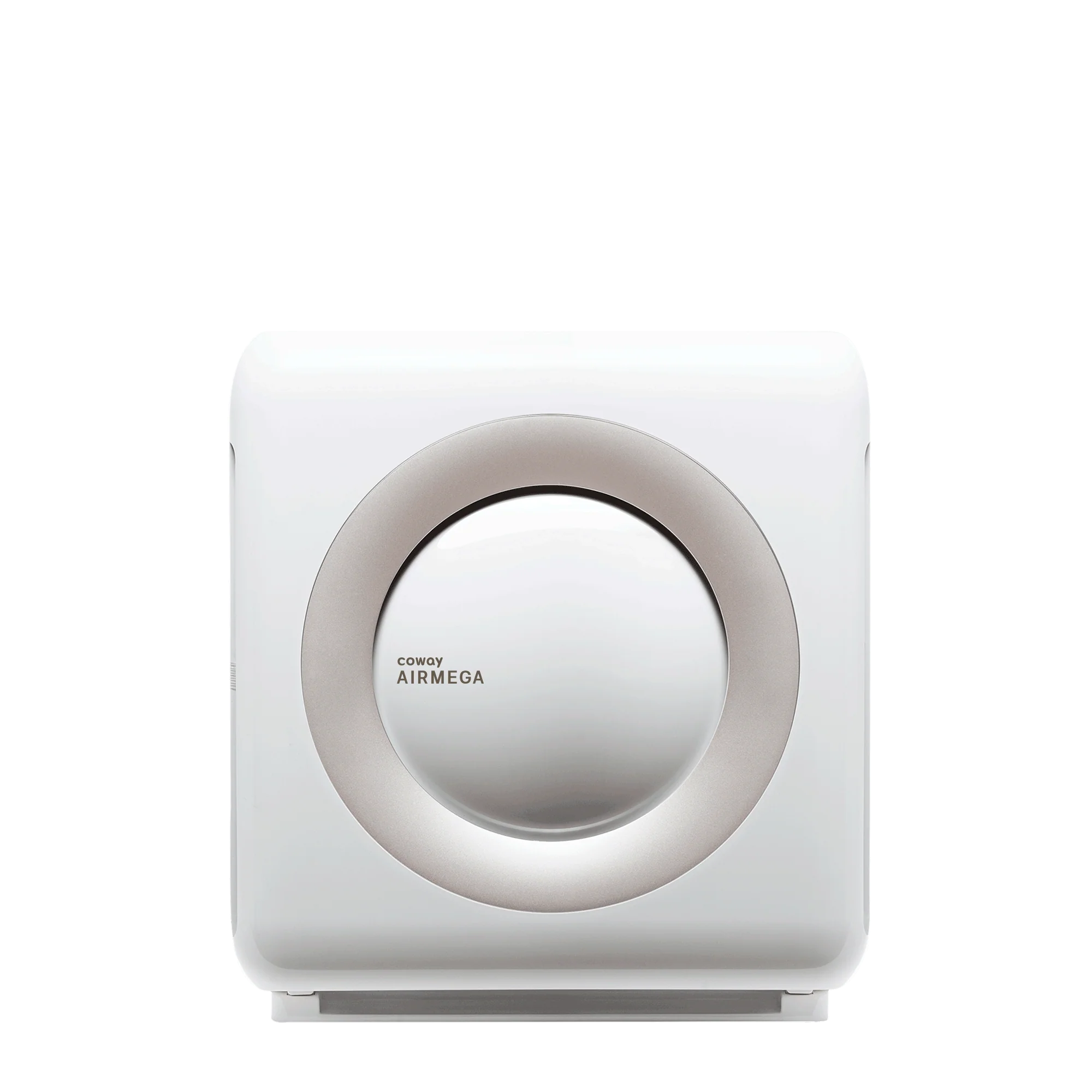
Coway AP-1512HH Mighty Review Editor Choice
✓ AHAM VerifiedOur Verdict
Key Specifications
- Room Coverage
- 361 sq ft
- CADR
- 233/246/240
- Filter
- True HEPA + Carbon + Pre-filter
- Noise
- 24 dB
- Power
- 77 watts
- Best For
- Medium rooms up to 361 sq ft. Wirecutter #1 for 10+ years. Best overall value.
📅 Prices checked . Amazon prices change frequently — click through for current price. Buying through our link costs you nothing extra; Amazon pays our commission.
What's in the Box
- Coway AP-1512HH air purifier
- Pre-installed 4-stage filter set
- Power cord
- User manual
- Filter replacement reminder sticker
Pros
- Wirecutter #1 for 10+ consecutive years
- AHAM verified CADR — no controversy
- True HEPA
- Fastest auto mode response in class
- 24dB ultra quiet sleep mode
- Eco mode at 4.9 watts
- 3-year warranty
Cons
- No WiFi or app control
- Carbon is impregnated fabric — weak on heavy odors
- Ionizer adds trace ozone (9ppb — CARB safe)
- Filter costs $60/year
- Design is dated
Best For
The Coway AP-1512HH has a washable polypropylene pre-filter that intercepts large particles before they reach the HEPA stage. Rinsed monthly, it never needs replacing and actively extends HEPA filter life from a typical 8 months to 12+ months in normal use. Replacement HEPA and carbon combo filters cost approximately $25 per year and are available through Amazon, Coway directly and major hardware retailers. For buyers who want the lowest long-term filter cost with a proven supply chain, the Coway is the strongest choice. The washable pre-filter design is exactly what the savings calculation in this guide is based on.
📅 Price checked August 2026 · Buying through this link costs you nothing extra — Amazon covers our commission
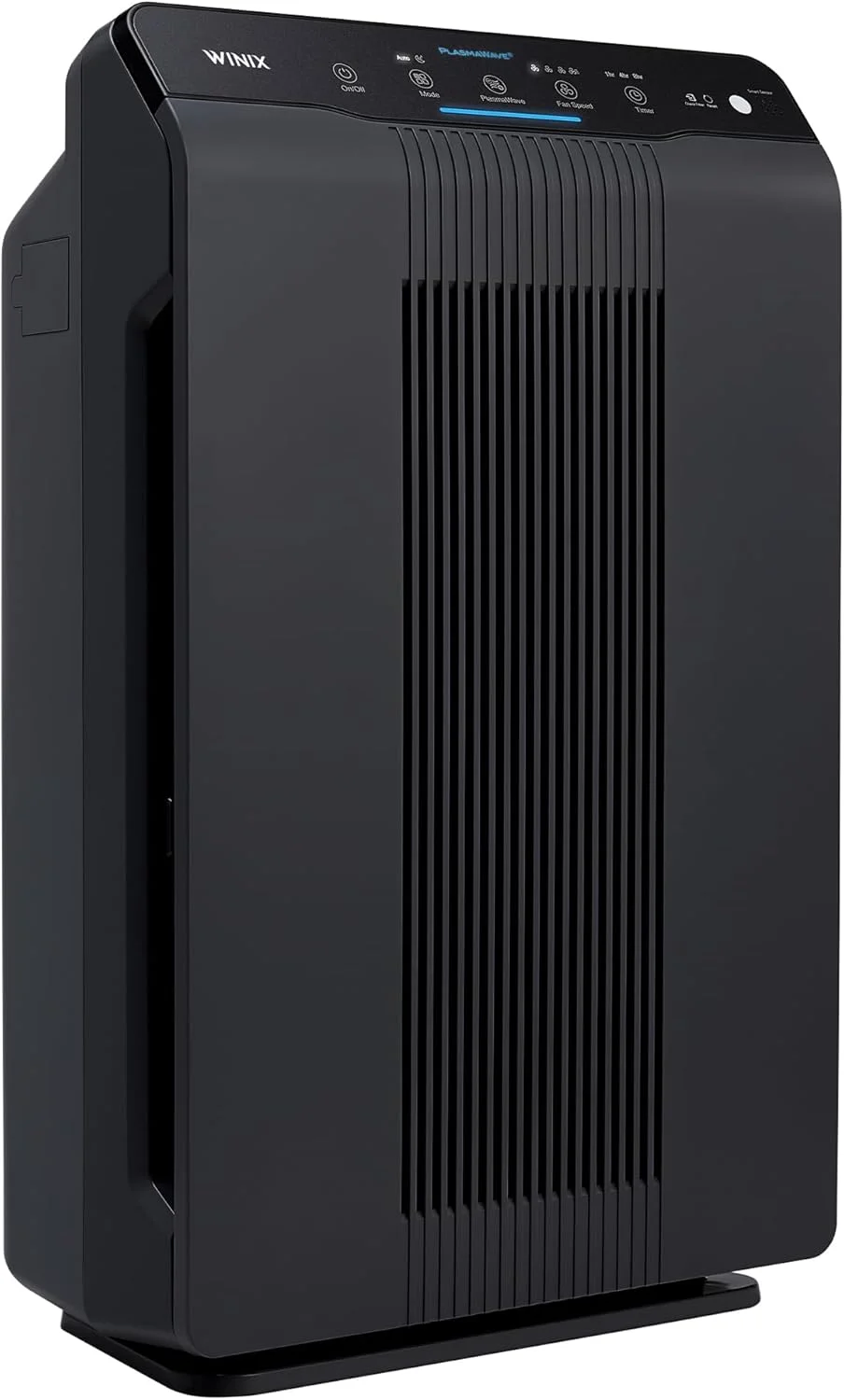
Winix 5500-2 Review Best Value
✓ AHAM VerifiedOur Verdict
Key Specifications
- Room Coverage
- 360 sq ft
- CADR
- 232/243/246
- Filter
- True HEPA + PlasmaWave + Washable Carbon
- Noise
- 27 dB
- Power
- 67 watts
- Best For
- DISCONTINUED. Buy while stock lasts. Washable carbon is unique advantage.
📅 Prices checked . Amazon prices change frequently — click through for current price. Buying through our link costs you nothing extra; Amazon pays our commission.
What's in the Box
- Winix 5500-2 air purifier
- Pre-installed True HEPA + carbon filter
- Power cord
- Remote control
- User manual
Pros
- AHAM verified CADR
- PlasmaWave pellet carbon
- Washable carbon filter — unique
- HouseFresh tested 23 min room clean
Cons
- DISCONTINUED in US
- No WiFi
- Louder than 5510
- Larger footprint
Best For
The Winix 5500-2 also uses a washable polypropylene pre-filter with the same monthly-rinse design as the Coway. Annual filter cost runs approximately $47 — higher than the Coway because the carbon OEM replacement is a separate purchase. The trade-off is PlasmaWave for gas-phase odor destruction and a slightly larger room coverage area. For buyers in pet or cooking odor households who still want washable pre-filter savings on the particle side, the Winix 5500-2 is the best-equipped option. Both the HEPA and AOC carbon filters are widely available.
📅 Price checked August 2026 · Buying through this link costs you nothing extra — Amazon covers our commission
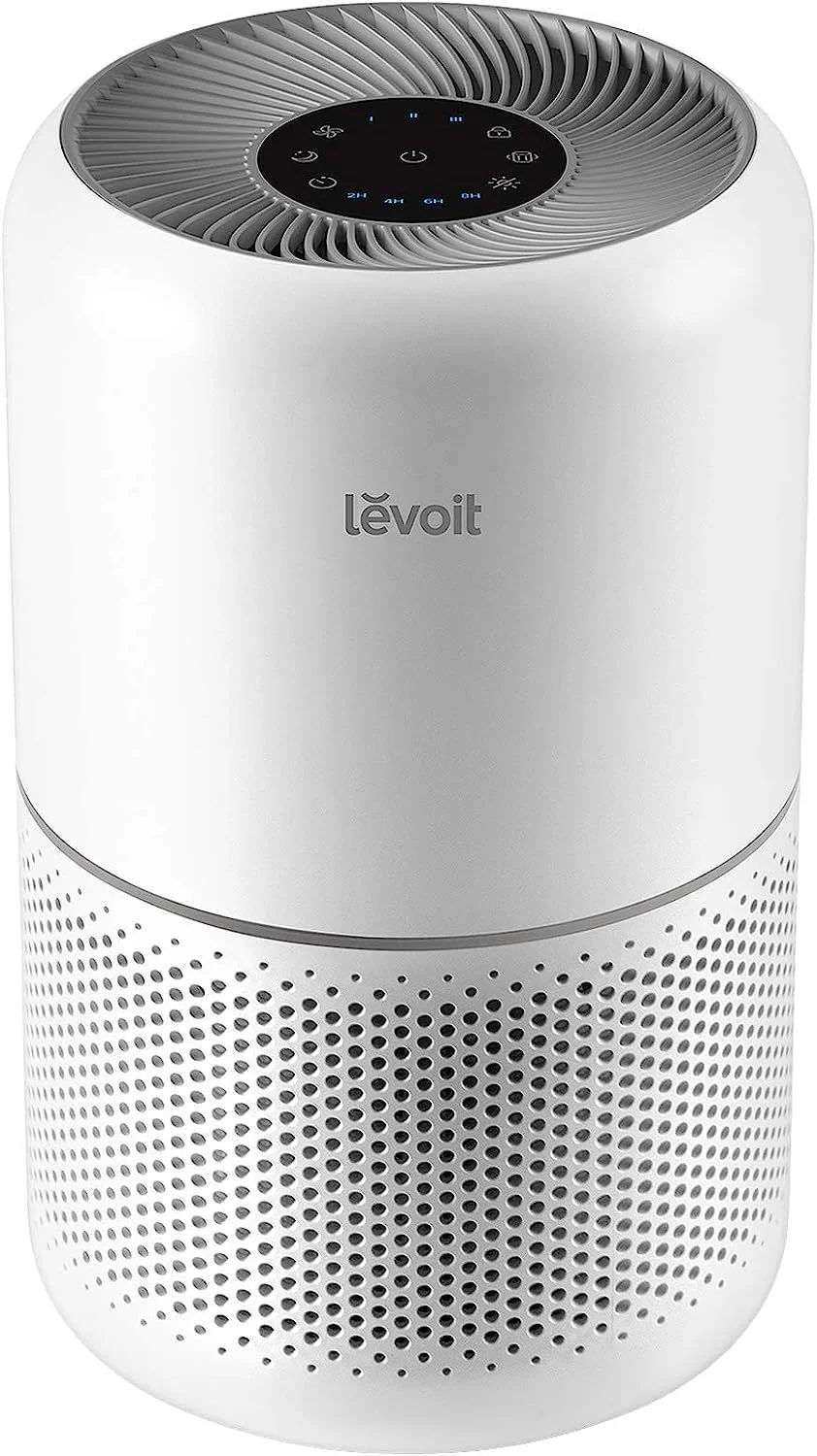
Levoit Core 300 Review Best Budget
✓ AHAM VerifiedOur Verdict
Key Specifications
- Room Coverage
- 219 sq ft
- CADR
- 141/141/141
- Filter
- 3-Stage HEPA Filtration
- Noise
- 24 dB
- Power
- 45 watts
- Best For
- Small rooms under 220 sq ft. Budget entry point.
📅 Prices checked . Amazon prices change frequently — click through for current price. Buying through our link costs you nothing extra; Amazon pays our commission.
What's in the Box
- Levoit Core 300 air purifier
- Pre-installed 3-in-1 filter
- Power cord
- User manual
Pros
- AHAM verified CADR 141
- Cheapest filter replacements at $25/year
- 24dB ultra quiet sleep mode
- Compact cylindrical design
- Simple plug-and-play — no app needed
Cons
- No auto mode or air quality sensor
- Only covers 219 sq ft
- HEPA claims controversy affected Levoit brand
- Filter needs replacing every 6 months
Best For
The Levoit Core 300 uses a 3-in-1 combined filter where pre-filter, HEPA and carbon are integrated into a single replaceable unit. There is no washable pre-filter stage. When large particles load the outer mesh, the entire filter must be replaced. Replacement costs $20 to $25 per unit and in high-dust or pet households may be required every 6 to 8 months. Annual filter cost is the lowest of the four models reviewed here, but the absence of a washable pre-filter means HEPA longevity cannot be extended through monthly maintenance. Best for small rooms and buyers who prefer a no-rinse routine at the cost of more frequent full-filter replacement.
📅 Price checked August 2026 · Buying through this link costs you nothing extra — Amazon covers our commission
NuWave Forever Plus Air Purifier Review No Filter Costs
Not AHAM VerifiedOur Verdict

Key Specifications
- Room Coverage
- Massive areas (manufacturer claim)
- CADR
- Not AHAM verified — INTERTEK_TESTED
- Filter
- Washable Permanent HEPA + Activated Carbon
- Noise
- 28 dB
- Power
- 50 watts
- Best For
- Buyers who want zero ongoing filter costs. Permanent washable filter system eliminates replacement expenses entirely.
📅 Prices checked . Amazon prices change frequently — click through for current price. Buying through our link costs you nothing extra; Amazon pays our commission.
Pros
- Never replace filter — $0/year filter cost
- 646+ owner reviews
- Large coverage area
- Long-term savings vs replaceable filters
- NuWave established brand (also makes Oxypure)
Cons
- $449-499 upfront cost
- Not AHAM CADR verified
- Washable HEPA performance degrades over time
- Larger, heavier unit
Best For
The NuWave OxyPure and Forever Plus line markets "permanent washable HEPA" as its primary differentiator. The washable filter in these units is an H11-grade washable mesh, not glass fiber True HEPA. It is designed to be rinsed and reused, which eliminates ongoing filter replacement costs on paper. In practice, wash-cycle degradation means particle capture efficiency declines over time, and the baseline H11 efficiency (95% at 0.3 microns) is lower than True HEPA from the start. For buyers in households without immunocompromised members or specific ultrafine particle concerns, the NuWave is an acceptable long-term cost reduction tool — but it is not equivalent to a True HEPA unit and should not be chosen for medical-grade or allergy-critical environments.
📅 Price checked August 2026 · Buying through this link costs you nothing extra — Amazon covers our commission
What "Washable" Refers To Depends Entirely on the Filter Stage
Air purifiers typically have two or three filter stages, and "washable" applies to completely different things depending on which stage the manufacturer is referring to.
The pre-filter is the outermost layer, positioned before the particle filtration stage. In most quality home purifiers it is made from polypropylene — a thermoplastic polymer that forms a coarse mesh capable of intercepting large particles: pet hair, lint, dust bunnies and larger dust fragments above 10 microns. Polypropylene mesh is structurally inert to water. You can rinse it under cold tap water, allow it to air dry for 24 hours and reinstall it indefinitely. The material does not degrade from repeated washing and the mesh structure is not altered by contact with water. This is a genuinely washable component.
The HEPA filter is the particle filtration core. It is made of borosilicate glass fibers — sometimes polymer fibers in cheaper implementations — arranged in a random mat structure that creates a three-dimensional filtration pathway. The pore structure is not defined by weave geometry the way a mesh is. It is defined by the random orientation and density of billions of microscopic fibers held together by a binder. This structure is what produces the 99.97% capture efficiency at 0.3 microns that defines True HEPA. It is not structurally compatible with water.
Brands that list their purifier as having "washable filters" are almost always referring to the pre-filter. Brands that market "permanent washable HEPA" are using a different, washable media — typically H11-grade polymer mesh — that can be rinsed but that does not meet the True HEPA efficiency standard after washing. These are two distinct categories, and conflating them creates significant buying confusion.
The takeaway: if you see "washable pre-filter," you are looking at a useful, legitimate feature. If you see "washable HEPA" or "permanent HEPA," you are looking at a marketing claim that requires scrutiny about what the filter actually is and what efficiency it delivers after multiple wash cycles.
Why True HEPA Filter Media Cannot Be Washed Without Permanent Efficiency Loss
HEPA filtration is not a sieve. A sieve blocks particles larger than its holes. A HEPA filter catches particles through a combination of impaction, interception and diffusion — and the effectiveness of all three mechanisms depends on the intact structure of the glass fiber mat.
The glass fibers in True HEPA media are between 0.5 and 2 microns in diameter, arranged randomly at varying angles to each other. Particles moving through the mat collide with fibers based on momentum (impaction), get caught by proximity (interception) or are redirected by Brownian motion until they contact a fiber (diffusion). None of these mechanisms requires a fixed pore size. They require a sufficient density and randomness of fiber orientation to maximize contact probability.
Water has two effects on this structure. First, capillary action causes the fibers to draw together as the water evaporates, clustering fibers that were previously spaced and reorienting them into a more aligned arrangement. This reduces the randomness that particle diffusion depends on. Second, the binder that holds the fiber mat together is water-sensitive in many formulations. Repeated wetting weakens the structural integrity of the mat, allowing fibers to migrate and creating low-density zones — gaps — through which particles pass without contact.
Post-wash efficiency testing on True HEPA filters consistently shows degradation. A filter rated at 99.97% capture efficiency when dry may test at 85% to 92% efficiency after a single wash, and degrade further with each subsequent wash. The filter looks clean. It may even flow air more freely. But the particle capture measurement shows it is operating at a fraction of its rated performance. For allergen or fine particle control, this matters.
The 99.97% rating in the HEPA standard is specified for dry, intact media under controlled airflow conditions. It has never applied to wet media. Washing a True HEPA filter removes the basis for that rating and there is no mechanism by which drying restores the original fiber arrangement once it has been disrupted by water.
How a Washable Pre-Filter Reduces Annual Filter Cost by Extending HEPA Life
The cost benefit of a washable pre-filter does not come from the pre-filter itself being free to replace. It comes from what the pre-filter does to the HEPA filter behind it.
A HEPA filter does not fail because its glass fibers stop working. It fails because as particles accumulate on and within the fiber mat, airflow resistance increases. The fan must work against greater resistance to maintain the same volume of air movement, and at some point the resistance becomes high enough that effective CADR drops below the unit's rated threshold. That is when replacement is required — not because filtration efficiency has dropped, but because airflow through the filter has dropped.
Pet hair, lint and large dust fragments — particles above roughly 10 microns — are the fastest loaders. They are large, plentiful and sticky. In a pet household running a purifier without a washable pre-filter, these large particles reach the HEPA stage and begin loading it immediately. In a unit with a monthly-rinsed washable pre-filter, those large particles are intercepted before they ever contact the HEPA media. The HEPA stage sees only finer particles that take much longer to accumulate to resistance-limiting levels.
The Coway AP-1512HH and Winix 5500-2 both use polypropylene washable pre-filters. In normal household use, the HEPA filter in both units typically lasts 12 months or longer when the pre-filter is rinsed monthly. In comparable units without a washable pre-filter stage — including the Levoit Core 300, where pre-filter, HEPA and carbon are combined — the combined filter frequently requires replacement every 6 to 8 months in pet households because the entire unit loads faster without a separate, maintained pre-filtration stage.
The practical difference: a unit with a washable pre-filter that extends HEPA life from 8 months to 12+ months saves 1 to 2 HEPA replacement cycles per year. At $30 to $60 per HEPA filter replacement, that is a real and recurring cost reduction — not a one-time purchase-price comparison.
Permanent Washable HEPA Claims: What These Filters Actually Are and When They Are Acceptable
NuWave OxyPure and the NuWave Forever Plus are the most prominent brands marketing a "permanent washable HEPA" filter as a core differentiator. The claim is that you never buy another filter. The filter is rinsed, dried and reinstalled indefinitely.
What these filters actually are: H11-grade washable polymer mesh. H11 captures 95% of particles at 0.3 microns when clean and dry. This is the baseline — lower than True HEPA's 99.97% from the start. The mesh structure is coarser than glass fiber HEPA media and is designed to tolerate water without structural collapse. That is why it can be washed. But the word "tolerate" is important: wash cycles do degrade the polymer mesh over time, and each wash removes some of the particle loading that was contributing to filtration density. A freshly washed H11 mesh filter performs at H11 or lower. A freshly washed True HEPA glass fiber filter performs significantly below its rating.
The NuWave filters are not fraudulent. They are washable and reusable. They capture household allergens — pollen, dust mite debris, pet dander and mold spores — at H11 efficiency, which is sufficient for most households. The difference from True HEPA is meaningful only in the 0.1 to 0.5 micron range where ultrafine combustion particles, some virus aerosols and fine chemical particulates fall. For a healthy household with standard allergen concerns, H11 washable mesh may be an acceptable trade-off for eliminating ongoing filter costs.
When it is not acceptable: immunocompromised household members, post-surgical recovery environments, homes near heavy-traffic roads or industrial sources, and households with heavy daily combustion sources (cooking oil smoke, candles, incense). In these scenarios, the difference between 95% and 99.97% at 0.3 microns is not marginal — it is the difference between an appropriate tool and an insufficient one. For more detail on which grade to choose, see our HEPA filter grades guide.
Filter availability is also a practical concern. NuWave replacement or spare filters are sold primarily through NuWave directly and select Amazon listings. In contrast, Coway and Winix HEPA filters are available from dozens of retailers. If NuWave changes its product line or the filter form factor, buyers may have limited options. Long-term supply chain reliability should factor into a washable HEPA buying decision.
Which Air Purifiers Include a Washable Pre-Filter Stage?
The presence or absence of a washable pre-filter is a meaningful design distinction that affects long-term cost and HEPA longevity. The major models are broken down below:
Coway AP-1512HH — Yes. A dedicated washable polypropylene pre-filter sits in front of a combined HEPA and carbon filter. The pre-filter is designed for monthly rinsing and is sold separately so it can be replaced if damaged. This is the most cost-effective implementation of the washable pre-filter design in the consumer market.
Winix 5500-2 — Yes. Same washable polypropylene pre-filter design as Coway. Monthly rinse, air dry, reinstall. The HEPA and AOC carbon filters are separate replaceable units, which means each can be replaced on its own schedule rather than as a combined unit.
Levoit Core 300 — No. The Core 300 uses a 3-in-1 combined filter where all three stages — pre-filter mesh, HEPA and carbon — are molded into a single disposable unit. The pre-filter mesh portion is not separately washable or removable. When the outer mesh layer loads, the entire unit must be replaced. This design choice keeps the purifier compact and eliminates filter management complexity, but it means no washable pre-filter benefit and faster full-unit replacement cycles in high-particle homes.
Blueair (211i Max and similar) — No. Blueair uses its proprietary HEPASilent technology, a combination of mechanical HEPA filtration and electrostatic charging that can achieve HEPA-level performance at lower airflow resistance. Filters are single-unit replaceable and not designed to be washed. Replacement filters cost approximately $60 per year.
Dyson Purifier range — No. Dyson uses a sealed H13 glass fiber HEPA filter combined with activated carbon in a single non-serviceable unit. The entire sealed filter assembly is replaced at approximately 12 month intervals at a cost of $70 to $80. No pre-filter stage is separately washable.
IQAir HealthPro Plus — Yes (PreMax stage). The IQAir PreMax is a washable pre-filter that IQAir recommends cleaning every 3 to 6 months. It extends the life of the HyperHEPA main filter, which IQAir rates for 4 years. The IQAir is priced significantly above consumer units ($900+) but the extended main-filter life and washable pre-filter design make it the strongest long-term cost structure in the premium segment.
Austin Air HealthMate — No. Austin Air uses a sealed 4-stage filter containing pre-filter, medium particle filter, activated carbon and True HEPA as a single unit. The entire filter is replaced every 5 years (manufacturer claim) at approximately $200. No washable stage. The very long replacement interval changes the cost math significantly, though independent verification of the 5-year lifespan under heavy use is limited.
For buyers using this as a purchasing criterion: Coway AP-1512HH and Winix 5500-2 are the strongest implementations in the sub-$200 consumer segment. IQAir is the strongest premium implementation. See our full Coway AP-1512HH review for hands-on testing data.
How Much Does a Washable Pre-Filter Save Over Five Years? A Real Cost Calculation
The savings from a washable pre-filter compound over time in two ways: the direct saving from not purchasing disposable pre-filter replacements, and the indirect saving from fewer HEPA replacement cycles due to extended filter life. Here is the calculation across two representative units in the same price tier.
Scenario A: Coway AP-1512HH (washable pre-filter)
- Pre-filter: washable, cost $0/year
- HEPA + carbon combo replacement: $25, replaced every 12 months = $25/year
- 5-year filter cost: $125
Scenario B: Levoit Core 300 (no washable pre-filter, combined filter)
- Pre-filter: integrated into combo unit, not separately washable
- Combined filter replacement: $22 per unit, replaced every 8 months in a pet household = 1.5 replacements/year
- Annual filter cost: approximately $33
- 5-year filter cost: approximately $165
In a non-pet household, the difference narrows. Levoit replacement at 12-month intervals costs $22/year, or $110 over 5 years — close to the Coway's $125. The Coway actually costs slightly more in that scenario because the combo filter is slightly more expensive per unit. The washable pre-filter benefit is most significant in high-particle environments (pets, dusty areas) where it extends HEPA intervals and prevents the accelerated replacement cycle that combined filters face.
Winix 5500-2 comparison: Higher annual filter cost ($47/year for HEPA plus carbon) means $235 over 5 years. The washable pre-filter is present but the separate HEPA and carbon purchase structure costs more than the Coway combo. Buyers choosing the Winix are paying for PlasmaWave and slightly larger room coverage, not for lower filter cost.
NuWave Forever Plus comparison: If the "permanent" washable filter is never replaced, filter cost approaches $0/year after the initial purchase. In practice, NuWave recommends a deep-clean filter replacement every 2 to 3 years (approximately $60 to $80). Over 5 years, actual filter spend is approximately $80 to $160 depending on usage intensity. That is competitive — but the H11 baseline efficiency means you are comparing different performance levels, not equivalent ones.
The real TCO difference from a washable pre-filter alone is $40 to $150 over 5 years depending on household type and the comparison unit. It is meaningful but not transformative. The bigger lever is choosing a unit where HEPA and carbon are separate replaceable stages — so you are not forced to replace both simultaneously when only one has saturated. For more on filter cost across popular models, see our filter replacement guide and filter cost comparison.