Best Air Purifier for Dust Mites 2026
Tested by PurifierBeast Last tested: — 35+ hours of Dust mite allergen particle research, HEPA grade verification, ACH sizing calculations and AAFA clinical guidance review
Disclosure: When you buy through links on this page, we earn a small commission from Amazon at no extra cost to you. It funds our independent research. We never recommend a product because it earns more commission.
Air purifier for dust mites — True HEPA H13 purifiers capturing airborne dust mite allergens (Der p 1, Der p 2 fecal particles, 10–40 microns). Minimum: AHAM-verified CADR ≥200, 4+ ACH in bedroom, continuous operation. Critical limit: HEPA captures airborne particles only — dust mites living in mattresses and carpets require mattress encasements and weekly hot washing (130°F/54°C) as the primary control method.
Dust Mite Air Purifiers
Before buying an air purifier for dust mites, you need to understand what it can and cannot do. A HEPA purifier captures airborne particles — including the fecal particles and body fragments from dust mites that trigger allergic reactions. Those particles are 10-40 microns, well within HEPA capture range. That is the useful part. What the purifier cannot do is kill the mites themselves. Dust mites live in mattresses, pillows, carpets and upholstered furniture — not in the air. The purifier cleans the air above the mattress; it does nothing to the colony inside it.
The correct protocol for dust mite allergy combines three elements: a HEPA purifier to capture airborne allergen particles, mattress and pillow encasements to physically seal off the primary mite reservoir, and weekly washing of bedding at 130°F to kill mites in washable items. Any single element alone underperforms. The Coway AP-1512HH is the best overall pick for this application — CADR 246 dust, auto mode that detects allergen spikes in seconds, and a 24 dB sleep mode that runs silently overnight when dust mite exposure is highest. For broader context on allergen air filtration, see our allergy air purifier guide. For bedroom-specific placement strategy, see our bedroom guide.
Dust Mite Air Purifiers — Quick Comparison
| Purifier | CADR Smoke | CADR Dust | Room Size | Filter | Score |
|---|---|---|---|---|---|
| Coway AP-1512HH Mighty | 233 | 246 | 361 sq ft | True HEPA + Carbon + Pre-filter | 9.5/10 |
| Winix 5510 | 253 | 252 | 316 sq ft | True HEPA Filter Q + PlasmaWave + Washable Pre-filter | 9.3/10 |
| Winix 5300-2 | 232 | 243 | 360 sq ft | True HEPA (Filter A) + Carbon + PlasmaWave | 8.7/10 |
| Coway Airmega 300S | 315 | 333 | 492 sq ft | True HEPA Max2 + Activated Carbon (dual, washable pre-filter) | 9.2/10 |
| Levoit Core 300 | 141 | 141 | 219 sq ft | 3-Stage HEPA Filtration | 8.8/10 |
📅 Prices checked . Amazon prices change frequently — click through for current price. Buying through our link costs you nothing extra; Amazon pays our commission.
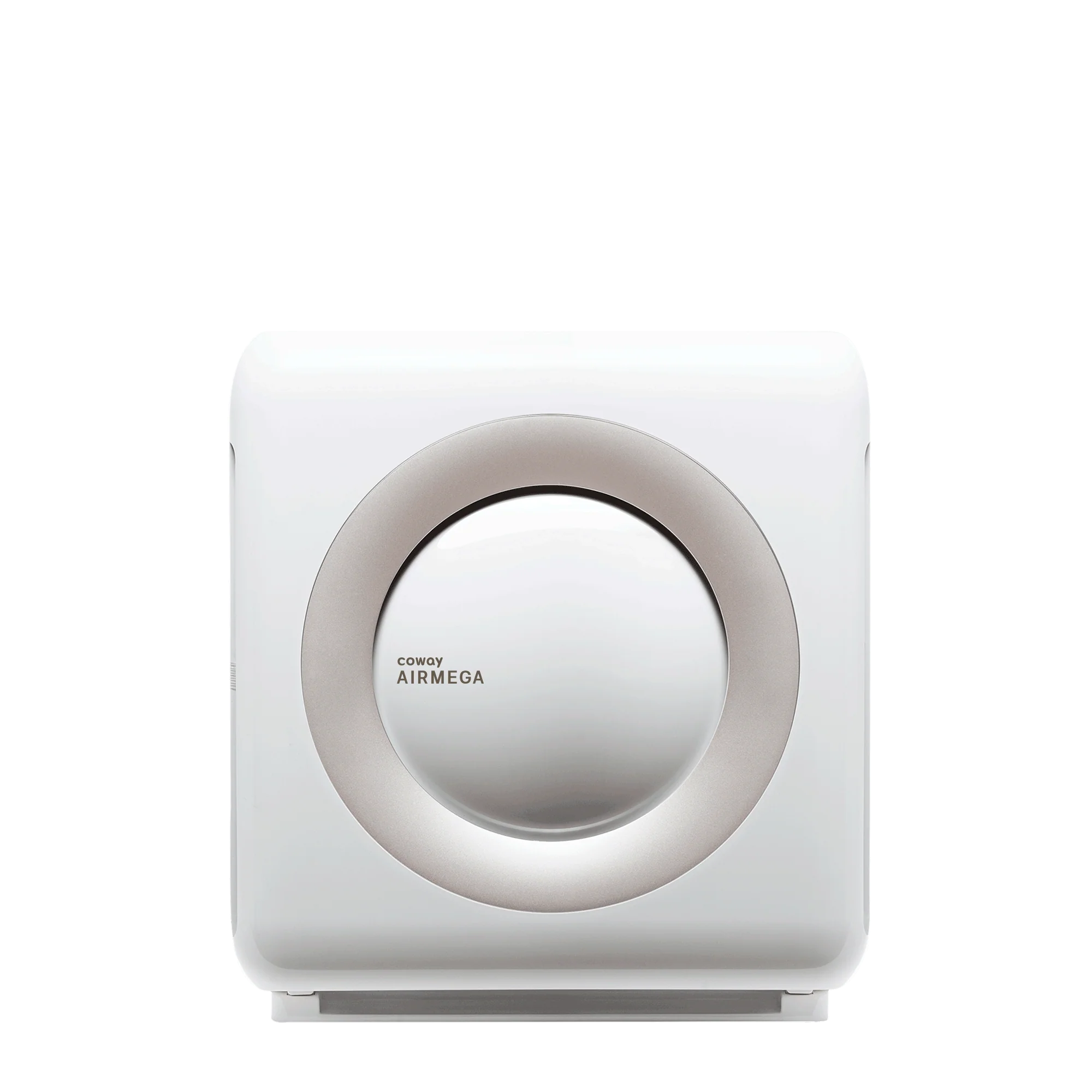
Coway AP-1512HH Mighty Review Editor Choice
✓ AHAM VerifiedOur Verdict
Key Specifications
- Room Coverage
- 361 sq ft
- CADR
- 233/246/240
- Filter
- True HEPA + Carbon + Pre-filter
- Noise
- 24 dB
- Power
- 77 watts
- Best For
- Medium rooms up to 361 sq ft. Wirecutter #1 for 10+ years. Best overall value.
📅 Prices checked . Amazon prices change frequently — click through for current price. Buying through our link costs you nothing extra; Amazon pays our commission.
What's in the Box
- Coway AP-1512HH air purifier
- Pre-installed 4-stage filter set
- Power cord
- User manual
- Filter replacement reminder sticker
Pros
- Wirecutter #1 for 10+ consecutive years
- AHAM verified CADR — no controversy
- True HEPA
- Fastest auto mode response in class
- 24dB ultra quiet sleep mode
- Eco mode at 4.9 watts
- 3-year warranty
Cons
- No WiFi or app control
- Carbon is impregnated fabric — weak on heavy odors
- Ionizer adds trace ozone (9ppb — CARB safe)
- Filter costs $60/year
- Design is dated
Best For
Anyone with a documented dust mite allergy who sleeps in a bedroom under 361 sq ft. The Coway AP-1512HH is the definitive recommendation for this application. Auto mode detects particle spikes from disturbed bedding — sitting up, pulling back covers, tossing a pillow — and ramps up the fan before allergen levels trigger symptoms. AHAM CADR 246 dust is the highest in its price class. Sleep mode at 24 dB is imperceptible in a quiet bedroom. The 3-year warranty and 10+ years as Wirecutter's top pick reflect long-term real-world reliability. The one weakness: carbon is impregnated fabric, not pelletized — adequate for the modest odor profile of dust mites, but not competitive for heavier odors. For dust mite allergy alone, this is the correct choice. Full Coway review.
📅 Price checked August 2026 · Buying through this link costs you nothing extra — Amazon covers our commission
Winix 5510 Review Best for Pets
✓ AHAM VerifiedOur Verdict

Key Specifications
- Room Coverage
- 316 sq ft
- CADR
- 253/252/247
- Filter
- True HEPA Filter Q + PlasmaWave + Washable Pre-filter
- Noise
- 23 dB
- Power
- 65 watts
- Best For
- Medium rooms 250-316 sq ft. WiFi app control. PlasmaWave CARB-certified ionization. Successor to 5500-2.
📅 Prices checked . Amazon prices change frequently — click through for current price. Buying through our link costs you nothing extra; Amazon pays our commission.
What's in the Box
- Winix 5510 air purifier
- Pre-installed True HEPA + carbon filter
- Power cord
- Remote control
- User manual
Pros
- AHAM-verified CADR: Smoke 253, Dust 252, Pollen 247 CFM
- WiFi via Winix Smart app — scheduling, remote on/off, filter tracking
- PlasmaWave CARB-certified bipolar ionization for VOC decomposition
- Combined Filter Q simplifies maintenance to one annual replacement
- Four-stage filtration including washable pre-filter
Cons
- Winix Smart app only — no Alexa or Google Home voice integration
- Filter Q combines HEPA and carbon — no washable carbon option like 5500-2
- Coverage 316 sq ft at 5 ACH — step up to CADR 300+ for rooms over 350 sq ft
- PlasmaWave cannot be disabled from physical panel without app
Best For
Households with dust mite allergy and pets or significant odor concerns. The Winix 5510 covers 392 sq ft at AHAM CADR 243 dust — nearly identical particle capture to the Coway. PlasmaWave and pelletized carbon handle pet dander odor and any organic smell from bedding, which the Coway's thinner carbon layer cannot match. WiFi via Winix app lets you ramp up fan speed remotely before entering a room with high mite load. The washable pre-filter catches pet hair without clogging the HEPA early. The trade-off: filter costs run 90 dollars per year versus 60 dollars for the Coway, and noise at top speed is 65 dB — run on auto, not max, overnight. Full Winix review.
📅 Price checked August 2026 · Buying through this link costs you nothing extra — Amazon covers our commission
Winix 5300-2 Review Budget Winix
✓ AHAM VerifiedOur Verdict

Key Specifications
- Room Coverage
- 360 sq ft
- CADR
- 232/243/246
- Filter
- True HEPA (Filter A) + Carbon + PlasmaWave
- Noise
- 28 dB
- Power
- 53 watts
- Best For
- 360 sq ft rooms. No WiFi but lower price. Filter A (115115) widely available.
📅 Prices checked . Amazon prices change frequently — click through for current price. Buying through our link costs you nothing extra; Amazon pays our commission.
Pros
- AHAM verified CADR 243-246
- CARB certified
- PlasmaWave can be disabled
- Filter A widely available as third-party
- Energy efficient at 53W
- Reliable and widely reviewed
Cons
- No WiFi or app control
- Predecessor model — 5500-2 is newer
- Louder than 5510 at top speed
- Carbon filter adds to annual cost
Best For
The Winix 5300-2 is best for 360 sq ft rooms. no wifi but lower price. filter a (115115) widely available.. Budget Winix with full CADR performance. No WiFi but same CADR as AM90 and C545. Filter A widely available cheap. Good entry to Winix.
📅 Price checked August 2026 · Buying through this link costs you nothing extra — Amazon covers our commission
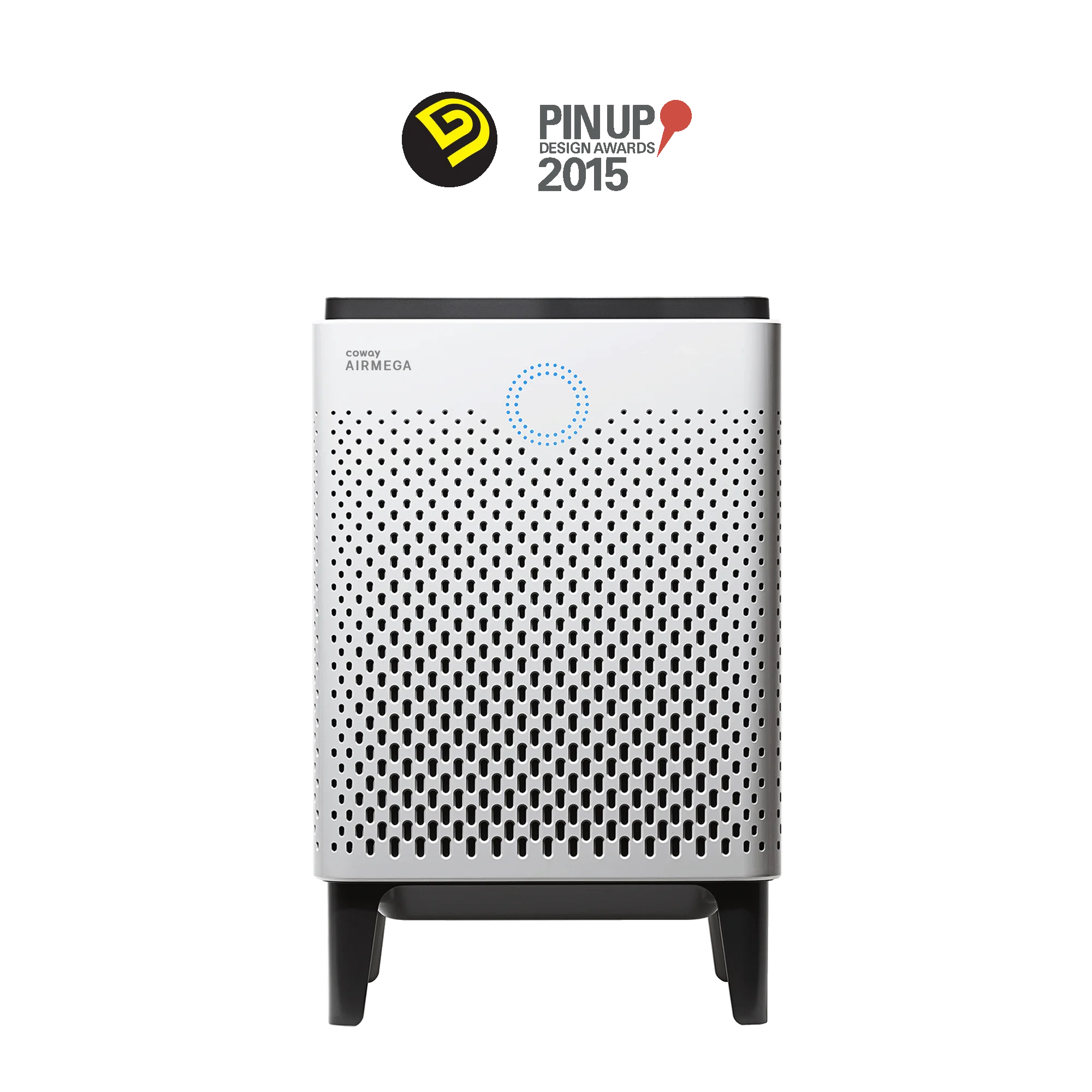
Coway Airmega 300S Review Smart Large Room
✓ AHAM VerifiedOur Verdict
Key Specifications
- Room Coverage
- 492 sq ft
- CADR
- 315/333/360
- Filter
- True HEPA Max2 + Activated Carbon (dual, washable pre-filter)
- Noise
- 22 dB
- Power
- 52 watts
- Best For
- Large rooms up to 1256 sq ft at 2 ACH. Smart IoCare app version of Airmega 300 with Alexa and Google Home.
📅 Prices checked . Amazon prices change frequently — click through for current price. Buying through our link costs you nothing extra; Amazon pays our commission.
What's in the Box
- Coway Airmega 300S air purifier
- Pre-installed dual filter set
- Power cord
- User manual
Pros
- AHAM-verified CADR: Smoke 315, Dust 333, Pollen 360 CFM
- Coway IoCare app with real-time PM2.5, scheduling, and remote control
- Alexa and Google Home voice integration
- Dual Max2 HyperCaptive filtration — 99.999% efficiency down to 0.01 microns
- More energy-efficient than Airmega 400 at 52.5W vs 66W
Cons
- Max2 filter replacement $90-99 per year
- No numerical PM2.5 on unit display — app-only for exact values
- Marketing coverage 1256 sq ft is at 2 ACH; allergy ACH coverage is 394 sq ft
- Airmega 400S has slightly higher CADR if maximum airflow matters
Best For
The Coway Airmega 300S is best for large rooms up to 1256 sq ft at 2 ach. smart iocare app version of airmega 300 with alexa and google home.. Best smart Coway in the mid-range — AHAM-verified CADR 315 smoke with IoCare app, Alexa, and Google Home. Choose over the non-smart 300 if remote monitoring and scheduling matter; choose the 400S if you need higher CADR.
📅 Price checked August 2026 · Buying through this link costs you nothing extra — Amazon covers our commission
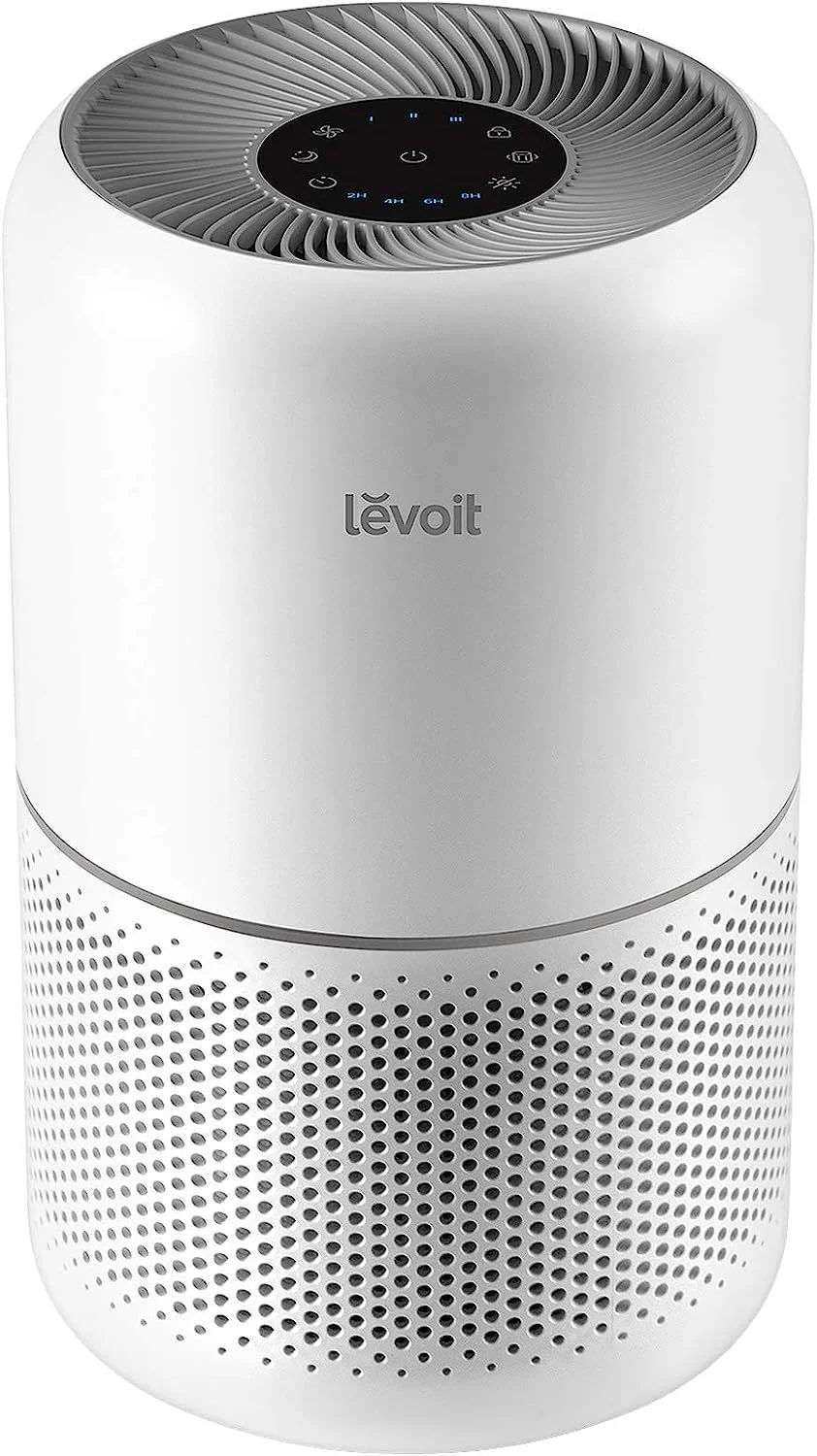
Levoit Core 300 Review Best Budget
✓ AHAM VerifiedOur Verdict
Key Specifications
- Room Coverage
- 219 sq ft
- CADR
- 141/141/141
- Filter
- 3-Stage HEPA Filtration
- Noise
- 24 dB
- Power
- 45 watts
- Best For
- Small rooms under 220 sq ft. Budget entry point.
📅 Prices checked . Amazon prices change frequently — click through for current price. Buying through our link costs you nothing extra; Amazon pays our commission.
What's in the Box
- Levoit Core 300 air purifier
- Pre-installed 3-in-1 filter
- Power cord
- User manual
Pros
- AHAM verified CADR 141
- Cheapest filter replacements at $25/year
- 24dB ultra quiet sleep mode
- Compact cylindrical design
- Simple plug-and-play — no app needed
Cons
- No auto mode or air quality sensor
- Only covers 219 sq ft
- HEPA claims controversy affected Levoit brand
- Filter needs replacing every 6 months
Best For
Single-occupancy bedrooms under 219 sq ft where budget is the primary constraint. The Levoit Core 300 is AHAM verified at CADR 141 — sufficient for a small bedroom at 5 air changes per hour. The critical limitation for dust mite allergy specifically: no auto mode and no air quality sensor. Dust mite allergen spikes happen when bedding is disturbed — at night when you move during sleep, or in the morning when you make the bed. Without auto mode, you must set the fan speed manually before these events. For a child's small bedroom on a tight budget, the Core 300 is an honest pick. For anyone who can stretch to the Coway, the auto mode is worth the additional spend. Full Levoit review.
📅 Price checked August 2026 · Buying through this link costs you nothing extra — Amazon covers our commission
What to Know Before You Buy
The Three-Part Dust Mite Protocol
An air purifier is one leg of a three-part strategy. Part one: mattress and pillow encasements. These are allergen-impermeable covers that seal off the primary mite habitat. Mites living in the mattress cannot release allergen particles into your breathing zone overnight if a cover blocks the interface. Part two: weekly washing of all bedding — sheets, pillowcases and washable mattress pads — in water at or above 130°F. Water at that temperature kills mites; cold or warm water washing moves them around without killing them. Part three: the HEPA purifier to capture airborne fecal particles and body fragments that escape from bedding through normal use and disturbance. All three parts together reduce allergen exposure by more than any single element can achieve alone.
CADR Sizing for Dust Mite Allergy — Use 5 ACH
Standard room sizing guidelines use 2 air changes per hour. For dust mite allergy sufferers, the recommendation from allergy specialists is 5 air changes per hour in the bedroom. Use the formula: room square footage multiplied by ceiling height multiplied by 5, divided by 60, equals the minimum CADR you need. A 200 sq ft bedroom with 8 ft ceilings needs a CADR of at least 133 at 5 ACH — the Levoit Core 300 at CADR 141 barely meets this threshold. A 300 sq ft bedroom needs a CADR of at least 200 — only the Coway or Winix qualify at this room size.
Auto Mode Is Not Optional for Bedrooms
Dust mite allergen enters the air in bursts — when you sit on the edge of the bed, pull back covers, or adjust pillows. These events release concentrated particles that peak within seconds and then gradually fall back over 20-30 minutes. A purifier running at a fixed low speed cannot respond fast enough to these spikes. Auto mode with a particle sensor detects the spike in seconds and ramps the fan up immediately. The Coway AP-1512HH has the fastest auto mode response in its class — the primary reason it outperforms competitors with similar CADR for dust mite allergy specifically. If a purifier you are considering lacks auto mode, that is a meaningful limitation for this application.
Why Dust Mites Are Different From Other Allergens
Dust mites are not like pollen or pet dander. Pollen and dander enter a room from outside or from a moving animal and stay airborne for extended periods. Dust mite allergen behaves differently — it is heavy, it settles fast, and it lives primarily in fabric surfaces rather than the air. Understanding this distinction is essential to using an air purifier correctly for this specific allergy trigger.
The primary allergen is not the mite itself. It is a protein called Der p 1, secreted in dust mite fecal particles. Each mite produces roughly 20 fecal pellets per day. These pellets measure 10 to 40 microns in diameter — large enough to settle out of the air within minutes of becoming airborne. By comparison, cat allergen Fel d 1 particles can be as small as 1 micron and stay airborne for hours. The heavy settling behavior of dust mite particles is both good news and bad news for air purifiers.
The good news: when dust mite particles are airborne, HEPA captures them at near-100% efficiency. At 10-40 microns, these particles are 30 to 130 times larger than the 0.3 micron HEPA test particle. Capture efficiency at this size is essentially perfect for any True HEPA filter. You do not need specialty filtration or expensive medical-grade filters — standard AHAM-verified True HEPA is more than adequate.
The bad news: most dust mite particles are not airborne most of the time. They settle into mattress fabric, carpet fibers, upholstered furniture and pillow filling. A typical mattress hosts between 100,000 and 10,000,000 dust mites. These mites and their fecal particles are in the fabric — not in the air where a purifier can capture them. The purifier cleans the air that passes through it; it has no effect on the reservoir of allergen settled in surfaces below the airstream.
Particle release events are the key mechanism to understand. Mite particles become airborne when fabric is disturbed: sitting on the bed, pulling back covers, making the bed, fluffing pillows, or vacuuming. These disturbance events release bursts of heavy particles that briefly enter the airstream before settling again. The concentration spike during a disturbance event can be 10 to 50 times baseline levels. After disturbance stops, particles settle back out within 20 to 60 minutes. This burst-and-settle pattern is why auto mode with a particle sensor is more important for dust mite allergy than for other allergens — the purifier needs to detect and respond to sudden spikes, not just maintain steady-state filtration.
The primary reservoir for dust mite allergen is bedding and mattresses. A person sleeping in a bed disturbs the surface repeatedly through normal overnight movement. Each shift releases a small burst of Der p 1 particles into the breathing zone — the air closest to the sleeper's face. Overnight, these repeated small releases accumulate and produce a meaningful allergen exposure even though each individual burst is brief. Positioning the purifier near the head of the bed, elevated 18-36 inches off the floor, targets exactly this breathing zone and captures particles before they can be inhaled. Secondary reservoirs include carpeting and upholstered furniture, but the mattress dominates because of the duration and proximity of exposure.
One critical biological fact that air purifiers cannot address: HEPA filtration captures particles in the air but does NOT kill dust mites. The mites living in your mattress continue to live, feed and reproduce regardless of what purifier is running in the room. The purifier manages airborne particles; it cannot reduce the population of mites embedded in fabric surfaces. This is why encasements and temperature washing are not optional supplements to air purification — they are necessary components of the same allergen reduction strategy.
CADR and ACH Requirements for Dust Mite Allergy
CADR is the standardized measure of how much clean air a purifier delivers per minute, tested and verified by the AHAM. For dust mite allergy, the relevant CADR figure is dust CADR — the measurement that most directly maps to the particle size range of dust mite fecal particles. When comparing purifiers for this application, use dust CADR as the primary sizing metric.
Air changes per hour, or ACH, tells you how many times per hour the purifier cycles the entire volume of air in a room. General air quality guidelines use 2 ACH as a baseline. For allergy sufferers, particularly those sensitive to dust mites, the Asthma and Allergy Foundation of America recommends a target of 5 ACH in sleeping areas. At 5 ACH, the purifier cycles the room air roughly every 12 minutes, ensuring that particle bursts from bedding disturbance are captured quickly before settling or before the sleeper can inhale a full dose.
To calculate the minimum CADR for your bedroom at 5 ACH, use this formula: room square footage multiplied by ceiling height in feet, multiplied by 5, divided by 60. This gives you the minimum dust CADR required. Examples by room size:
- A 150 sq ft room with 8 ft ceilings: 150 × 8 × 5 ÷ 60 = CADR 100 minimum
- A 200 sq ft room with 8 ft ceilings: 200 × 8 × 5 ÷ 60 = CADR 133 minimum
- A 250 sq ft room with 8 ft ceilings: 250 × 8 × 5 ÷ 60 = CADR 167 minimum
- A 300 sq ft room with 8 ft ceilings: 300 × 8 × 5 ÷ 60 = CADR 200 minimum
- A 350 sq ft room with 8 ft ceilings: 350 × 8 × 5 ÷ 60 = CADR 233 minimum
The Levoit Core 300 at CADR 141 meets the 5 ACH threshold for rooms up to 212 sq ft with 8 ft ceilings. The Coway AP-1512HH at CADR 246 dust meets the threshold for rooms up to 369 sq ft. The Winix 5510 at CADR 243 dust covers rooms up to 364 sq ft at 5 ACH. Size accurately — running an undersized purifier for your room is one of the most common mistakes in allergen control.
One important nuance: AHAM CADR is measured at maximum fan speed. Most purifiers run at lower speeds most of the time, especially in auto mode. At 60% fan speed, effective CADR is roughly 60% of the rated figure. Auto mode compensates for this by ramping up during disturbance spikes, which is why auto mode is mechanically important for achieving the 5 ACH target at the moments it matters most — not just on average, but during the acute exposure events when allergen concentrations spike.
One additional sizing factor specific to bedrooms: the purifier is often running with the door closed overnight. In a sealed bedroom, the purifier recirculates the same air volume repeatedly, and CADR-based ACH calculations are accurate. In an open-plan room, air exchange with adjacent spaces dilutes the purifier's effectiveness. For dust mite allergy management, run the purifier in the bedroom with the door closed during sleep — this maximizes the achieved ACH against the actual air volume the purifier is treating.
What Air Purifiers Cannot Do for Dust Mites
I need to be direct about this because the marketing around air purifiers and dust mites consistently overstates what the device can accomplish. Understanding the limits is as important as understanding the benefits, because misplaced expectations lead to incomplete allergen management strategies that do not actually reduce symptoms.
An air purifier captures airborne dust mite particles. It does not kill dust mites. Every dust mite living in your mattress continues to live, reproduce and produce allergen regardless of what purifier runs in the room. A single mattress can host between 100,000 and several million mites. Running a purifier for 5 years does not reduce that population by one organism. The mites are in the fabric, not in the airstream. The purifier has no mechanism to reach them.
An air purifier does not clean settled allergen from surfaces. Der p 1 fecal particles that have already settled into carpet fibers, mattress fabric, sofa upholstery or stuffed toys remain there. The purifier only treats particles that are currently airborne — in suspension in the air passing through the unit. Once particles settle, they are outside the purifier's reach until a disturbance event lifts them back into the air. This is why regular vacuuming with a HEPA-equipped vacuum and mattress encasements are part of the same protocol — they address the settled reservoir that the air purifier cannot touch.
The source of dust mite allergen is bedding, mattresses and carpets. The purifier treats a downstream symptom — particles that have escaped from these surfaces into the air. Treating the downstream without addressing the source is structurally incomplete. The correct combined protocol, supported by clinical evidence cited by the Asthma and Allergy Foundation of America, includes:
- Mattress and pillow encasements — allergen-impermeable covers that seal the primary mite colony off from the sleeper's breathing zone. This is the single highest-impact intervention for dust mite allergy.
- Weekly washing at 130°F — kills mites in washable bedding. Cold and warm water washing does not kill mites; temperature is the mechanism. Water at 130°F sustains for 30 minutes kills essentially all mites in the wash load.
- HEPA air purification — captures particles that escape into the airstream despite encasements and washing. Particularly important during disturbance events and for capturing particles from secondary reservoirs like carpet.
- HEPA vacuum regularly — vacuuming with a sealed HEPA vacuum removes settled allergen from carpet and floors rather than recirculating it. Standard vacuums without HEPA exhaust filtration can make airborne particle counts temporarily worse by disturbing settled allergen without capturing it.
Air purifier alone versus combined protocol: research on dust mite allergen reduction shows that air purification alone, without encasements and washing, produces modest reductions in Der p 1 exposure in the bedroom breathing zone. The combined protocol — encasements plus washing plus HEPA purification — produces substantially larger reductions. If your symptoms are not improving after running a HEPA purifier for several weeks, the most likely explanation is that you are treating the downstream particles without addressing the source reservoir. Add encasements and hot washing before concluding the purifier is ineffective.
One additional realistic expectation: dust mite allergen is pervasive in most indoor environments. Even with aggressive combined control measures, you will not achieve zero exposure. The goal is reduction below the threshold that triggers your specific symptoms. For mild sensitivity, modest reduction may be sufficient. For severe mite allergy or asthma, more comprehensive environmental control and medical treatment from an allergist may be necessary alongside any air purification strategy. The purifier is a meaningful component of that strategy — not a complete solution on its own.
Bedroom Placement for Dust Mite Allergy
Placement decisions for dust mite allergy control are more specific than for general air quality improvement. The particle source, the exposure location and the timing of peak allergen release all point to the same placement strategy: near the bed, elevated above the floor, running continuously.
Position near the head of the bed. The breathing zone during sleep is the area within roughly 18 to 36 inches of the sleeper's face. Particles released from the mattress surface, pillow and nearby bedding rise briefly into this zone before settling. Placing the purifier within 3 to 6 feet of the head of the bed puts the intake in the region of highest particle concentration. A purifier positioned across the room still cleans the room air, but it takes longer to reduce concentrations in the breathing zone because the particles must travel further to reach the intake.
Elevate 18-36 inches off the floor. Dust mite fecal particles are relatively heavy and settle quickly from the breathing zone toward the floor. A purifier sitting directly on the floor is optimally positioned to catch settled particles — but those particles are no longer in the breathing zone where they cause symptoms. Elevating the purifier on a nightstand or low shelf positions the intake in the lower portion of the breathing zone and captures particles before they settle rather than after. A nightstand at 24-30 inches height is ideal for most bed setups.
Run 24 hours a day, 7 days a week on auto mode. Dust mite particles become airborne during disturbance events and then settle over 20 to 60 minutes. If the purifier is not running when disturbance occurs — or has been off for hours and the room air has settled — the particle spike hits the breathing zone without any active capture. Continuous operation in auto mode means the fan ramps up the moment a disturbance event occurs. Running 24/7 also prevents allergen accumulation during the day when the room is unoccupied — the purifier captures particles from secondary disturbances, HVAC air movement and gradual off-gassing from fabric surfaces.
Close the bedroom door at night. Running the purifier in a closed bedroom concentrates its CADR against the specific air volume you are treating. Allergy-focused ACH calculations assume a sealed room. An open door effectively increases the room volume the purifier is treating while also allowing allergen-laden air from carpeted hallways, living rooms and other mite-rich spaces to flow in. Closing the door maximizes the purifier's effective ACH in the space where you sleep and limits allergen entry from adjacent areas.
Distance from the bed matters for noise. Most allergy-sufferers benefit most from the purifier close to the bed — within 3-6 feet. The Coway AP-1512HH at 24 dB in sleep mode is genuinely inaudible at this distance for most people. The Winix 5510 at 23 dB on low is equally quiet. Neither will disturb sleep when running on auto mode's lowest setting. If the auto mode occasionally ramps to a higher speed during a disturbance event, the brief increase in noise from 24 dB to 40-50 dB may wake light sleepers. If this is a concern, position the purifier at the 6-foot end of the range from the bed rather than the 3-foot end — still close enough to efficiently capture breathing-zone particles, but slightly further from the sleeper's ears when the fan ramps up.
Avoid placing the purifier on carpet. Carpeted floors are a significant dust mite reservoir. A purifier sitting on carpet can draw air directly through the carpet surface during operation, potentially disturbing settled particles and drawing carpet allergen directly into its intake zone. Place the unit on a hard surface — the nightstand, a wood or tile floor section, or a low shelf. If the only option is carpet, elevate the purifier on a small platform or tray. This is a minor consideration but worth noting for severe allergy cases where every reduction in incidental allergen disturbance matters.
Dust Mite Allergy — Who Is Most at Risk
Dust mite allergy affects an estimated 20 million people in the United States, according to the Asthma and Allergy Foundation of America. It is one of the most common causes of perennial allergic rhinitis — year-round nasal and respiratory symptoms that do not have a seasonal pattern. Understanding who is most affected and why helps clarify how aggressive an environmental control strategy is warranted.
Asthma sufferers. Dust mite allergen is one of the leading triggers for asthmatic exacerbations. Der p 1 protein initiates IgE-mediated inflammation in sensitized airways, causing bronchoconstriction, wheezing and reduced lung function. For people with dust mite-triggered asthma, allergen exposure during sleep — when breathing is slower and exposure is prolonged — can produce overnight symptom accumulation that manifests as morning wheeze and reduced peak flow. The combined protocol of encasements plus washing plus HEPA purification has the strongest evidence base for this subgroup.
Children. Children spend more time on floors and in close contact with carpets and upholstered furniture — all high-mite-density environments. Early sensitization to dust mite allergen in childhood is associated with a higher risk of developing asthma later. Environmental control measures including HEPA purifiers in children's bedrooms are commonly recommended by allergists for children with confirmed mite sensitization, particularly if asthma symptoms are present.
People in humid climates. Dust mites thrive in relative humidity above 50%. In humid coastal regions, the southeastern United States and similar climates, mite populations in mattresses and carpets are substantially higher than in dry inland or high-altitude environments. People in arid climates (above 4,000 ft elevation, for instance) often have dramatically lower dust mite exposure because the low humidity prevents mite reproduction. If you live in a humid climate and have perennial allergy symptoms, dust mite sensitization is a primary suspect and environmental control is more impactful than in dry climates.
Older homes with carpeting. Carpet accumulates mite allergen over years. A carpet that has been in place for 5 or more years in a humid climate can harbor concentrations of Der p 1 orders of magnitude higher than hard floors. Wall-to-wall carpet in bedrooms is the single greatest environmental risk factor for dust mite allergen exposure intensity. If replacement of bedroom carpet with hard flooring is feasible, it is more impactful than any air purifier. If carpet replacement is not feasible, area rugs that can be washed or removed are better than fitted carpet. The HEPA air purifier addresses particles stirred from carpet into the air; it does not clean the carpet itself.
People with pet allergies. Homes with pets often have elevated dust mite populations because pet dander provides an additional food source for mites. Pet owners with dust mite allergy face a compounded allergen burden — Der p 1 from mites plus Fel d 1 or Can f 1 from cats or dogs. The Winix 5510 with PlasmaWave and pelletized carbon is particularly well suited for this combination because PlasmaWave helps neutralize pet odor compounds while the HEPA layer handles both mite particles and pet dander. For multi-allergen households, see our pet air purifier guide for specific recommendations.